The Hidden Cost of Driving It Yourself: What DIY Car Transport Really Costs You
You bought a car three states away. Or you’re relocating and need your vehicle to follow. The instinct is simple: just drive it yourself. Save the shipping fee. How hard can it be? It is harder than it looks, and more expensive than it feels.
The Math You’re Not Doing
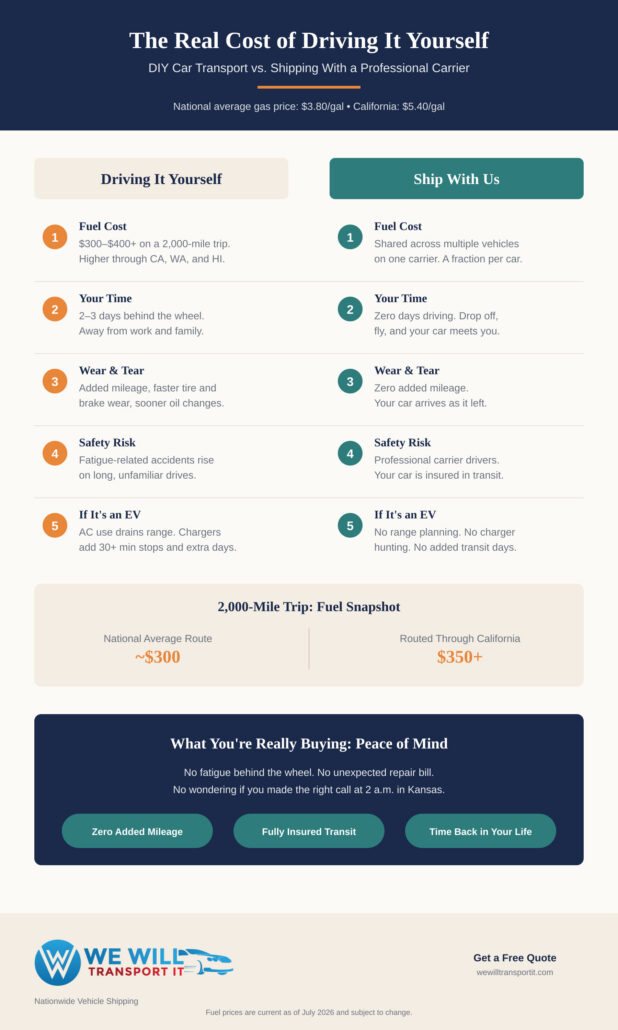
A cross-country drive isn’t free just because you’re not paying an invoice. Fuel alone on a 2,000-mile trip runs $250 to $400 depending on your vehicle. Add hotels for a multi-day drive, meals on the road, and the wear on a car that may already have plenty of miles on it. Oil changes come sooner. Tires wear faster. Brake pads, belts, and suspension components all take a hit from sustained highway driving they weren’t necessarily scheduled for.
Then there’s the cost nobody puts on a spreadsheet: your time. Two or three days behind the wheel is two or three days you’re not working, not with family, not doing anything but driving. Professional transport puts that time back in your life.
Fuel Costs Add Up Fast
The national average for a gallon of regular gas is sitting around $3.80 right now. That number gets a lot worse depending on where your drive starts or ends. California is averaging roughly $5.40 a gallon and even higher in some cities. Washington and Hawaii aren’t far behind, both regularly running north of $5.00. Drive a car from the Midwest to the West Coast and you’re not paying one average price. You’re paying whatever the highest state along your route charges, and for a lot of routes, that’s California.
Run the numbers on a 2,000-mile trip in a vehicle that gets 25 miles per gallon. At the national average, that’s roughly $300 in fuel. Route that same drive through California and the fuel cost climbs well past $350, sometimes higher depending on how much of the trip runs through the state.
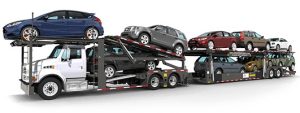
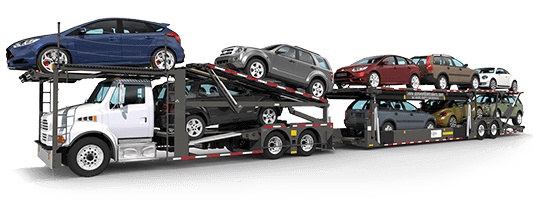
Shipping a car uses one carrier hauling multiple vehicles at once. The fuel cost per vehicle is a fraction of what you’d spend driving it solo, because you’re sharing that trip with several other cars instead of burning a full tank for just yours. Driving yourself means covering the entire fuel cost alone, on top of whatever it costs to get yourself home afterward if it’s a one-way move.
Driving an EV doesn’t dodge this problem, it just changes the shape. Running the air conditioning on a hot cross-country drive pulls down range fast, sometimes 15 to 20 percent, which means more stops than you planned for. Finding a working fast charger isn’t as simple as pulling into any gas station either, especially through rural stretches of the drive where chargers are spaced far apart or already occupied. Each charging stop adds real time, often 30 minutes or more, turning what looked like a two-day drive into three or four.
Safety Is the Part People Forget
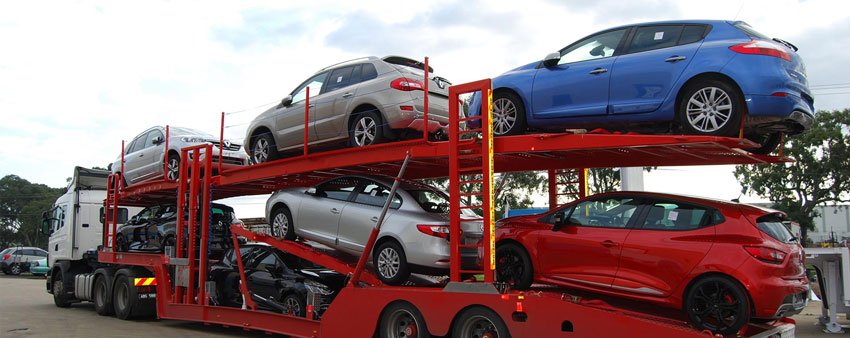
Long highway drives are where fatigue-related accidents happen. The National Highway Traffic Safety Administration has flagged drowsy driving as a factor in thousands of crashes every year, and cross-country hauls put you squarely in that risk window. A professional carrier driver does this for a living. They know the routes, they manage their hours, and they’re not white-knuckling it through hour nine of a drive in an unfamiliar car.
There’s also the exposure risk. Every mile you drive is a mile where something could go wrong: a breakdown, a collision, severe weather. Your car sits in a truck instead, secured and insured, while you fly or drive your own daily vehicle without the added risk.
Expertise You Can’t DIY
Car transport isn’t just point A to point B. It’s route planning around weather and road conditions. It’s proper loading and securing so a vehicle doesn’t shift or take damage in transit. It’s carrier vetting, insurance verification, and knowing which questions to ask before a stranger’s truck picks up your car.
We Will Transport It handles all of it. Decades of combined experience means the details that trip up first-timers, questionable carriers, gaps in insurance coverage, unrealistic delivery windows, are the details we catch before they become problems.
Relocating for a Job? Read Your Package Closely
If you’re moving for work, car transport is often buried in the fine print of a relocation package. Before you sign anything or start pricing movers, know what to look for.
Ask if vehicle shipping is covered separately from household goods. Some packages bundle everything into one lump-sum payment and expect you to divide it yourself. Others cover moving your belongings but leave your car out entirely, assuming you’ll drive it. Get clarity on which category you’re in before you make a plan.
Ask about lump-sum versus reimbursement. A lump sum gives you cash upfront and lets you choose how to spend it, which means shipping your car instead of driving it could actually save you money you get to keep. Reimbursement packages usually require receipts and pre-approval, so confirm car transport qualifies before you book anything.
Negotiate for a real number, not a vague allowance. If your offer says “relocation assistance provided,” ask your employer or HR contact for a specific dollar figure. A vague promise is hard to hold anyone to. A number lets you compare it against an actual quote.
Factor in your new state’s fuel costs when you negotiate. If you’re relocating to California, Washington, or Hawaii, gas prices there run well above the national average. That’s a legitimate point to raise if you’re negotiating your own moving budget or arguing for a bigger relocation allowance.
Ask if multiple vehicles are covered. Two-car households often assume relocation packages cover both vehicles. Many don’t. Confirm this early so you’re not caught paying out of pocket for a second car with no notice.
Getting your employer to cover professional car shipping, or at least budgeting for it out of a lump sum, means one less thing to manage during an already stressful move.
What You’re Really Buying: Peace of Mind
The lowest number on a quote isn’t always the best deal. Driving it yourself might look free on paper, but between fuel, wear, lodging, lost time, and risk, it rarely is. And even when it comes close, it costs you something quotes can’t measure: the stress of hoping nothing goes wrong for two days straight.
Hiring We Will Transport It means your car moves without you having to think about it. No fatigue behind the wheel. No unexpected repair bill from a trip that put extra strain on your vehicle. No wondering if you made the right call at 2 a.m. somewhere in Kansas.
That’s the real value. Not just moving a car. Moving it without the worry.
Ready to Get a Quote?
We Will Transport It ships cars to every state in the contiguous US, with both open transport and enclosed transport options available. Tell us your pickup location, destination, vehicle, and timeline and we will give you a straightforward quote with no hidden fees.
Get a quote at wewilltransportit.com/car-transport/ or call 800-677-1196.