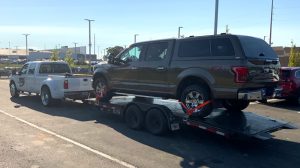
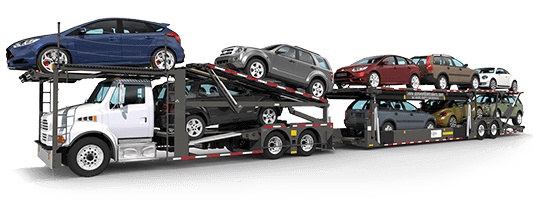
Shipping Your Student’s Car to College: A Parent’s Guide
Move-in day is stressful enough without adding a thousand-mile road trip to the checklist. If your student is heading to a college out of state this fall, shipping their car instead of driving it can save you time, money, and a fair amount of worry. Here’s what parents need to know before booking an auto transport service for the fall semester rush.
Why More Families Are Shipping Instead of Driving
A few years ago, driving the car to campus was just what families did. That’s changing, and for good reason.
Safety. A multi-day solo drive, often for a driver with only a year or two of experience, means long stretches on unfamiliar highways, unpredictable weather, and fatigue. Shipping removes that risk entirely.
Time. Between packing, orientation schedules, and work obligations back home, most parents don’t have three or four extra days to spend behind the wheel each way. A transport service handles the drive while you handle everything else.
Cost. Once you add up gas, hotels, meals, and the wear and tear of a long haul, shipping is often close to a wash on price and sometimes cheaper, especially for longer distances.
Wear and tear. Cross-country mileage adds up fast. Shipping keeps the odometer (and the resale value) in better shape.
When to Book
Fall is one of the busiest stretches of the year for auto transport, right alongside peak summer moving season. Move-in weeks at colleges around the country tend to cluster in mid-to-late August, which means transport carriers are in high demand during a fairly narrow window.
The general rule: book 2 to 3 weeks ahead if you can, and earlier if the campus is in a less-trafficked corridor or a rural area with fewer carriers passing through regularly. If you’re within a week or two of move-in and haven’t booked yet, don’t panic, but don’t wait much longer either.
Open vs. Enclosed Transport for a College Car
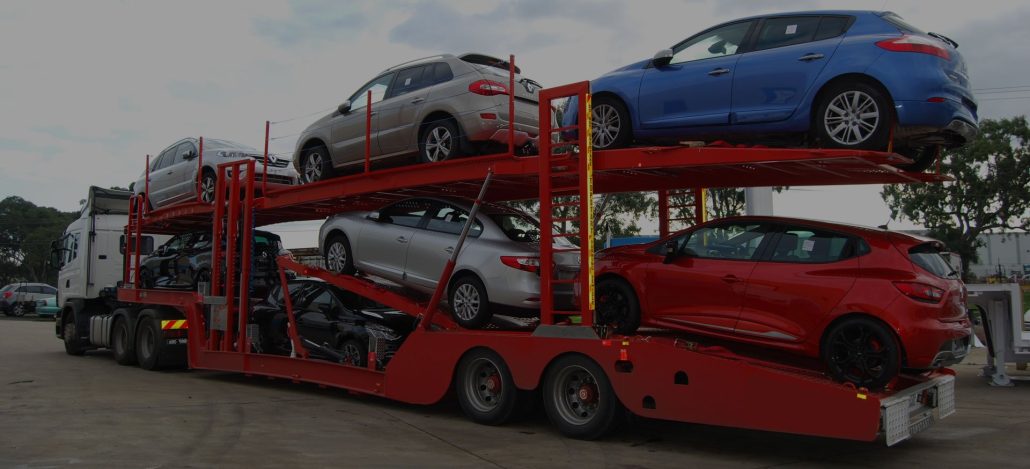
Most student vehicles don’t need enclosed transport (that’s typically reserved for classic, exotic, or high-value cars), so open transport is usually the more budget-friendly and perfectly reasonable choice. If you’re shipping the family’s newer or higher-value vehicle, an enclosed transport option is worth a look for extra protection.
What Affects the Price
Car shipping usually costs $600-$1500 depending on distance. A few other factors drive the quote:
- Distance. Longer hauls cost more in total but less per mile.
- Route popularity. Shipping along a busy corridor (say, California to a Big Ten school) tends to be cheaper than a remote or less-traveled route.
- Vehicle type. Larger vehicles and modified vehicles can affect pricing.
- Timing. Booking during the peak fall window means less flexibility on price than booking in a slower month.
If you want a ballpark before you call, our shipping cost calculator is a fast way to get a sense of what to expect for your specific route.
A Few Tips for a Smooth Handoff
- Clean out the car before pickup. Drivers need to do a visual inspection, and it’s easier without a trunk full of move-in boxes.
- Document the vehicle’s condition. Photos before pickup protect everyone involved.
- Confirm delivery timing against move-in day. Build in a buffer of a day or two so a shipping delay doesn’t collide with a tight dorm check-in window.
- Keep your student in the loop. If they’re the one receiving the vehicle on the other end, they should know the carrier’s contact info and expected delivery window.
Ready to Book?
Whether your student is headed to a school across the state or across the country, getting the car there safely and on time doesn’t have to be complicated. Check out our state-specific shipping pages for details on your exact route, or get a free quote to see what fall move-in season shipping looks like for your family.