How to Ship a Car to Another State: A Complete Guide
Shipping a car to another state is not complicated once you know how the process actually works. The problem is that most of what you find online is written by companies trying to sell you their specific service, which means the parts that trip people up, reading a quote correctly, understanding what the Bill of Lading does, spotting a broker operating without proper authority, tend to get glossed over.
This guide covers the full process from start to finish. By the end, you will know how to choose the right transport method, what to look for in a carrier, how to prepare your car, and what to do when it arrives. No filler. Just what you need to get your vehicle moved without a problem.
How State-to-State Car Shipping Actually Works
Most people picture a single truck driving their car directly from pickup to destination. The reality is a little different, and understanding it helps set the right expectations.
The auto transport industry runs on a load board system. When you book with a carrier or broker, your shipment goes onto a network where carriers with available trailer space bid on the route. A broker coordinates that process on your behalf; a direct carrier handles the shipment with their own trucks.
Both models work. The differences matter in specific situations:
- A direct carrier gives you a single point of contact and direct accountability. If something goes wrong, there is no question about who is responsible.
- A broker has access to a wider network of carriers and can often find capacity on short notice or for unusual routes, but you need to verify the carrier they assign, not just the broker.
Whether you book with a broker or a direct carrier, always verify the assigned carrier’s DOT number and MC number at fmcsa.dot.gov before the truck arrives. The broker’s credentials and the carrier’s credentials are separate.
Which Transport Method Is Right for Your Car
The two core decisions are trailer type and pickup/delivery method. Getting these right saves money and prevents regret.
Open Transport
Open carriers are the double-deck trailers you see on the highway hauling new cars from factory to dealership. They are the most common and most affordable method for state-to-state shipping and are perfectly appropriate for the vast majority of vehicles.
Open transport makes sense when:
- You are shipping a standard daily driver, SUV, truck, or minivan
- Cost is the primary consideration
- The vehicle has no significant cosmetic restoration or collector value
- You are comfortable with normal road exposure during transport
Enclosed Transport
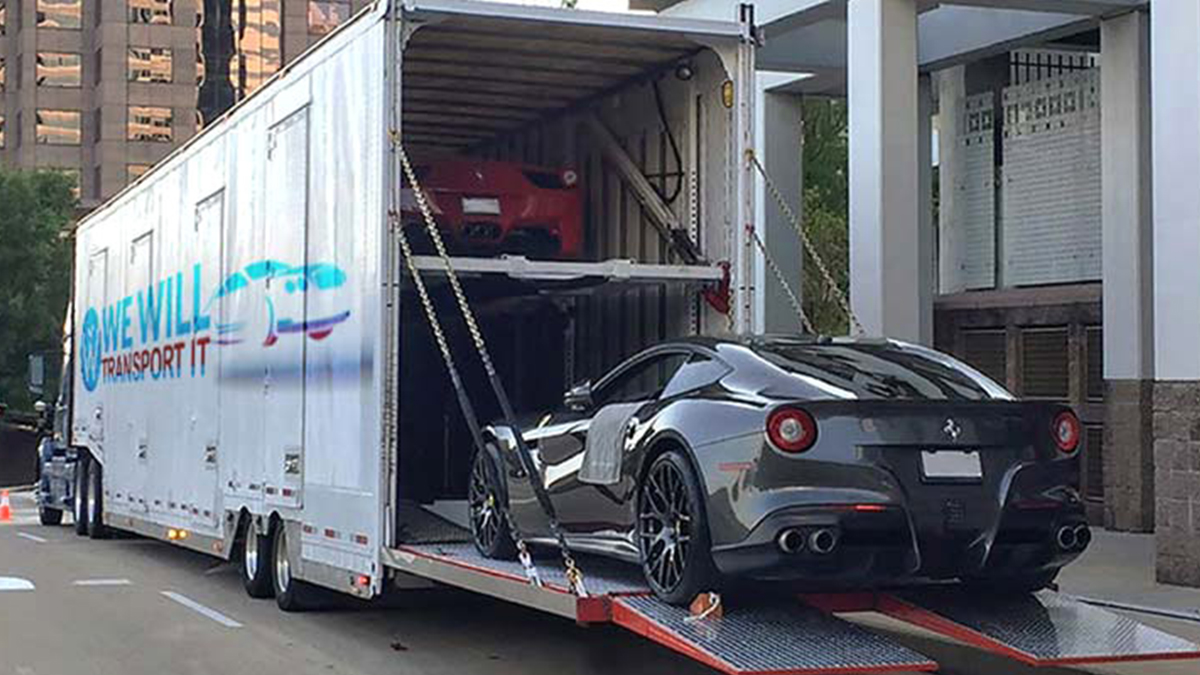
Enclosed transport loads your vehicle inside a fully closed trailer, protecting it from weather, road debris, and visibility. It carries higher cargo insurance limits and uses lift gates for loading, which matters for low-clearance vehicles. Our enclosed auto transport page covers this in more detail.
Enclosed transport makes sense when:
- You are shipping a classic, antique, or collector vehicle
- The car has a professionally restored finish or low-clearance modifications
- You are shipping a luxury or high-value vehicle where the cargo insurance gap between open and enclosed matters
- The vehicle cannot be safely driven up a ramp
Door-to-Door vs. Terminal-to-Terminal
Door-to-door shipping means the carrier picks up from your address and delivers to your destination address, or as close to it as a large truck can legally access. It costs a little more but eliminates the logistics of getting the car to and from a terminal.
Terminal-to-terminal shipping requires dropping off and picking up the car at designated lots. It can be slightly cheaper on paper, but factor in your time, the cost of getting to and from the terminal, and the fact that your car sits in a lot between handoffs. For most people, door-to-door is the better value.
What State-to-State Car Shipping Actually Costs
Prices vary based on several real factors. Here is what moves the number:
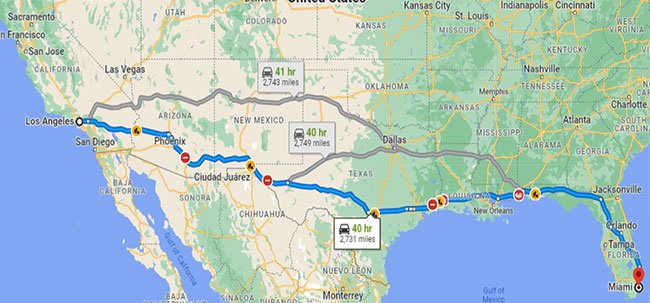
- The biggest variable. A 500-mile move and a 2,500-mile move are priced very differently: Distance
- Enclosed typically runs 40 to 60 percent more than open for the same route: Transport type
- Larger vehicles take up more trailer space and weigh more, both of which affect price: Vehicle size
- Peak demand runs from late spring through early summer and during the snowbird migration window in fall. Prices rise accordingly: Season
- High-traffic corridors between major metro areas are cheaper than rural or remote destinations where carriers have less return freight: Route
- Booking with two or more weeks of lead time almost always gets you a better price than booking the week you need to move: Lead time
As a rough benchmark, open transport on a mid-distance route (roughly 1,000 to 1,500 miles) typically runs between $700 and $1,100 for a standard sedan. Enclosed adds to that. Shorter routes can run less; cross-country moves with an oversized vehicle can run higher.
Get at least three quotes and make sure you are comparing the same service. An open-transport quote and an enclosed quote are not comparable, and a quote that leaves out the pickup window or delivery timeframe is not a complete quote.
How to Vet a Car Shipping Company Before You Book
This is the step most guides skip or rush through. It is also the step that determines whether your experience is smooth or a nightmare.
Check their FMCSA registration
Go to fmcsa.dot.gov and look up the carrier or broker by name or MC number. You want to confirm they are registered, their authority is active, and there are no serious safety violations or out-of-service orders. A company that cannot provide an MC number is not a company worth using.
Understand what their insurance actually covers
Every licensed carrier is required to carry cargo insurance. The required minimums are not always sufficient to cover a high-value vehicle. Ask for the cargo insurance limit and whether it covers your car’s actual value or a depreciated amount. Get this in writing before you sign.
Read the reviews carefully, not just the star rating
Look for patterns in negative reviews specifically. One complaint about a delayed delivery in three years is different from ten complaints about damage that went unresolved. Check Google, Transport Reviews, and the BBB. A company with strong reviews on multiple platforms is a much safer bet than one with a high score on a single site.
Be alert to these red flags
- A quote significantly lower than every other quote you received
- Pressure to pay a large deposit upfront before a carrier is assigned
- Vague or missing delivery window in the contract
- Refusal or inability to provide DOT and MC numbers
- No physical address or a contact number that goes to voicemail only
The Bill of Lading: What It Is and Why It Matters
The Bill of Lading is the most important document in your shipment. It is the condition report completed by the driver at pickup that records the state of your vehicle before it goes on the truck. At delivery, a second inspection is done against that same document.
Why it matters: if your car arrives with damage that was not on the Bill of Lading at pickup, that damage is the carrier’s responsibility. If you signed a Bill of Lading at pickup that did not accurately reflect your car’s condition, you lose that protection.
What to do at pickup:
- Do the walkthrough with the driver in good lighting
- Note every existing scratch, ding, chip, or scuff, no matter how small
- Take your own time-stamped photos of every panel before you sign
- Do not sign a Bill of Lading that does not match what your photos show
At delivery, repeat the process. Inspect in daylight if at all possible. Note any new damage on the delivery copy before you sign. A signed delivery receipt with no exceptions is treated as confirmation the car arrived in good condition.
How to Prepare Your Car for Transport
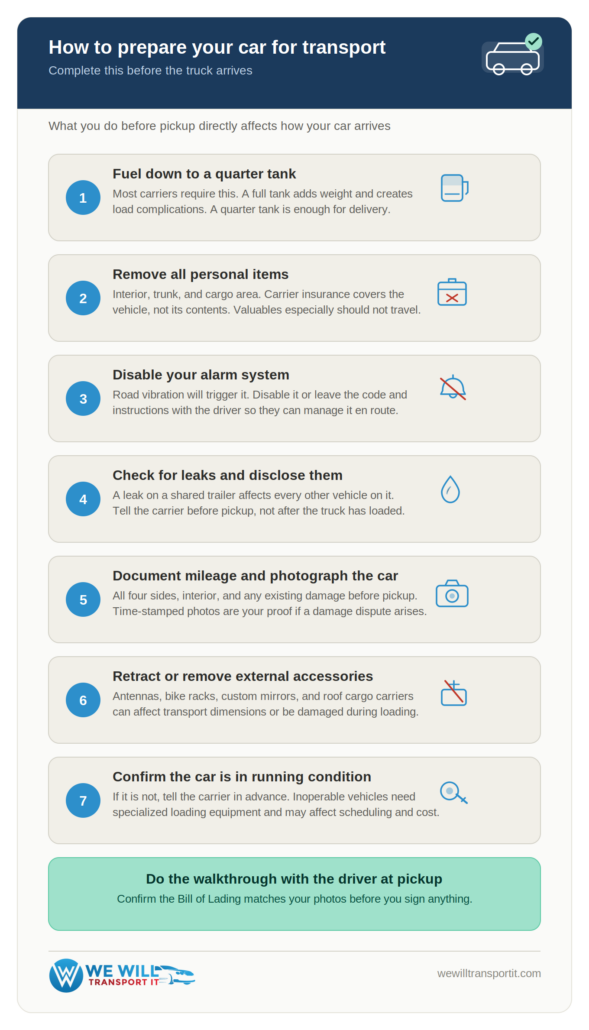
Most of this takes less than an hour. All of it matters.
- Fuel down to a quarter tank. A full tank adds weight and most carriers require it
- Remove all personal items from the interior, trunk, and cargo area. Carrier insurance covers the vehicle, not its contents
- Disable or provide the code and instructions for any alarm system
- Check for fluid leaks and disclose them to the carrier before pickup. A leak on a shared trailer affects other vehicles
- Document the mileage and take time-stamped photos of all four sides, the interior, the undercarriage if accessible, and any existing damage
- Retract or remove any external accessories, including antennas, bike racks, and custom mirrors, if they affect the vehicle’s transport dimensions
- Make sure the car is in running condition and the battery is charged. If it is inoperable, tell the carrier in advance so they can bring the right equipment
How Long Does It Take to Ship a Car to Another State
Transit times depend on distance, route, and the time of year. General benchmarks:
- Under 500 miles: 1 to 2 days
- 500 to 1,000 miles: 2 to 4 days
- 1,000 to 2,000 miles: 4 to 7 days
- Cross-country (2,000 miles or more): 7 to 10 days
These are transit times once the truck picks up your vehicle. Factor in lead time from when you book to when pickup actually happens, which typically runs 1 to 5 business days on a standard booking. If your move has a hard deadline, communicate that upfront and ask whether the carrier can commit to a specific pickup date in writing.
Peak season and high-demand corridors can stretch these timelines. If you need the car by a specific date, book at least two weeks out and confirm the delivery window explicitly with the carrier.
Ready to Get a Quote?
We Will Transport It ships cars to every state in the contiguous US, with both open transport and enclosed transport options available. Tell us your pickup location, destination, vehicle, and timeline and we will give you a straightforward quote with no hidden fees.
Get a quote at wewilltransportit.com/car-transport/ or call 800-677-1196.