When you’re shipping a car for the first time, the industry terminology can feel like a foreign language. One of the most important distinctions to understand is the difference between a broker and a carrier, because choosing the wrong one for your situation could mean delayed delivery, unexpected costs, or worse.
If you’re moving across the country, buying a car out of state, or relocating a classic vehicle, knowing whether you need a broker or carrier isn’t just helpful, it’s essential to protecting your vehicle and your wallet.
The Core Distinction: Who Actually Moves Your Car?
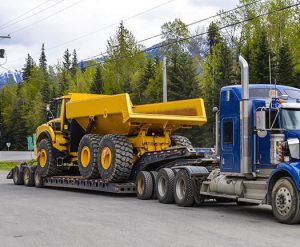
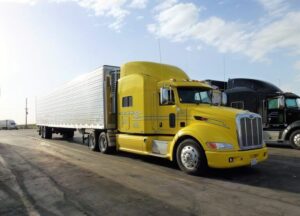
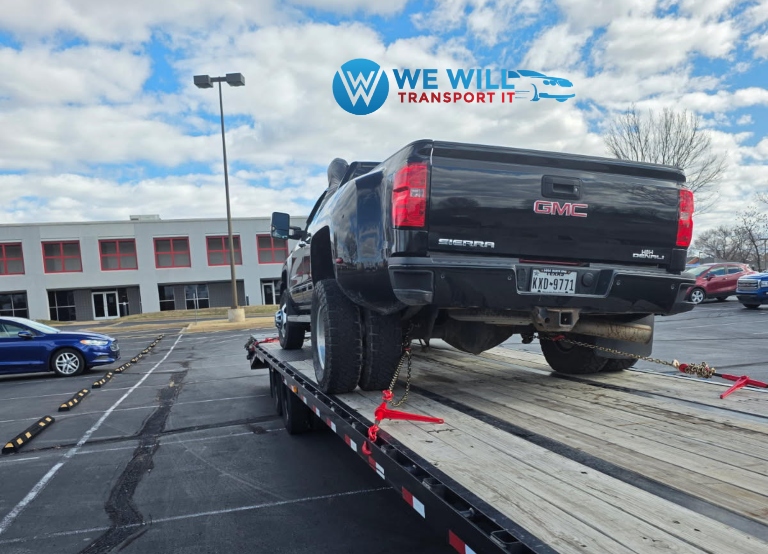
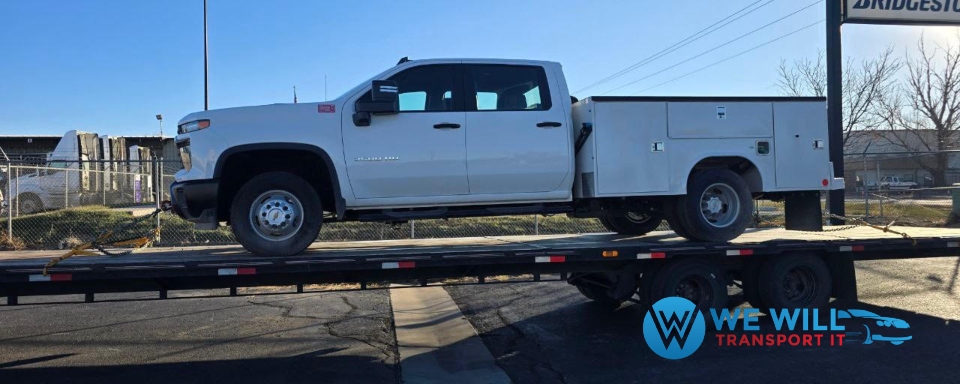
The fundamental difference is simple: carriers physically transport your vehicle, while brokers arrange the transportation.
Think of it this way: if auto transport were air travel, the carrier would be the airline that operates the plane, while the broker would be the travel agent who books your flight. Both play legitimate roles, but their responsibilities, capabilities, and relationships with you are fundamentally different.
What Is an Auto Transport Carrier?
A carrier is a company that owns and operates the trucks that physically haul your vehicle. According to FMCSA regulations, carriers must maintain their own Motor Carrier (MC) number and operate under specific federal authority that allows them to transport vehicles across state lines.
When you work with a carrier:
- They own the truck and employ (or contract) the driver
- The carriers maintain cargo insurance as required by FMCSA
- They’re directly responsible for your vehicle during transit
- They issue the Bill of Lading documenting the vehicle’s condition
- They’re legally liable for any damage that occurs during transport
Carriers typically operate on specific routes where they have regular business. An auto hauler based in Florida, for example, might run consistent routes up the East Coast but rarely venture to the Pacific Northwest. This geographic specialization can be both a strength and a limitation.
What Is an Auto Transport Broker?
A broker doesn’t own trucks or employ drivers. Instead, they act as an intermediary who matches your shipping needs with available carriers in their network. The FMCSA requires brokers to register under separate authority and maintain a $75,000 surety bond to protect the movers.
When you work with an experienced broker:
- They search their carrier network to find trucks that are available
- They negotiate rates on your behalf
- They coordinate pickup and delivery schedules
- They serve as your primary point of contact
- They may assist with claims, but they’re not directly liable for damage
Quality brokers maintain relationships with hundreds or thousands of vetted carriers, giving them the flexibility to match your specific needs, whether you’re shipping a motorcycle to Alaska or an exotic car to Miami, with the right equipment and route.
The Legal and Regulatory Framework
Understanding the legal distinctions matters because it affects who’s responsible when things go wrong.
Under the Carmack Amendment, federal legislation governing interstate freight—carriers bear full legal responsibility for your vehicle from the moment they load it until delivery. If your car arrives with a dent, scratch, or mechanical issue that wasn’t documented at pickup, the carrier is liable.
Brokers, however, are not liable for physical damage to your vehicle under Carmack. Their legal responsibility is to connect you with properly licensed and insured carriers. A broker’s duty is fulfilled when they arrange transport with a legitimate, and authorized carrier who meets federal requirements.
This doesn’t mean brokers leave you hanging if problems arise. Reputable brokers often have claims specialists who guide you through the process, help document damage, and advocate on your behalf with the carrier. But the carrier (not the broker) writes the check if you file a successful claim.
You can verify any carrier or broker’s authority through the FMCSA’s SAFER database. Every legitimate carrier should have an active MC number and satisfactory safety rating. Brokers should display their broker authority and maintain their required bond. If a company can’t provide these credentials, walk away.
When to Use a Carrier vs. a Broker
Neither option is better, the right choice depends on your specific situation.
You Should Work Directly With a Carrier When:
You’re shipping on a common route. If you’re moving from Los Angeles to Phoenix, or Boston to New York, carriers running those lanes regularly can often provide competitive rates and faster service. They know the route, have consistent demand, and can offer predictable schedules.
You value a single point of accountability. Some shippers prefer dealing directly with the company that will physically handle their vehicle. There’s no middleman, no potential for miscommunication, and you can speak directly with the person coordinating your driver.
You’re shipping multiple vehicles regularly. Fleet managers or dealerships often establish a relationship with specific carriers who understand their requirements, vehicles, and standards. This consistency can streamline operations and improve quality for the service.
You need specialized equipment. If you’re transporting a lowered show car, an oversized commercial vehicle, or a classic that requires enclosed transport with climate control, working directly with a carrier who specializes in that equipment can ensure proper handling.
You Should Work With a Broker When:
You’re shipping on uncommon routes. Need to get a car from rural Montana to southern Alabama? A broker’s network can find carriers covering obscure routes that a single carrier might never service. This is where brokers truly excel—matching irregular shipping needs with available capacity.
You want competitive pricing and options. Brokers can solicit quotes from multiple carriers in their network, giving you price comparisons and service options that would take you hours to gather independently. This competition often results in better rates than you’d find approaching carriers one by one.
You’re a first-time shipper who needs guidance. If you’ve never shipped a vehicle before, a knowledgeable broker can explain the auto transport process, help you understand what to expect, and troubleshoot problems before they become disasters. Their experience across thousands of shipments gives them insights that any single carrier might not have.
You need flexibility and backup options. Carriers can experience equipment breakdowns, driver shortages, or scheduling conflicts. A broker can quickly pivot to another carrier in their network if your original hauler runs into a problem, reducing delays.
You value convenience over direct control. Brokers handle the logistics—finding the carrier, negotiating the rate, coordinating pickup and delivery windows, and managing communication. For busy professionals or people managing complex relocations, this convenience is worth the broker’s commission.
The Hidden Costs and Risks
The price you see in a quote isn’t always the full story, whether you’re working with a carrier or broker.
Carrier Risks: Limited coverage on uncommon routes, capacity constraints during peak season (May-September), and less pricing transparency since you’re negotiating with a single source.
Broker Risks: Variable carrier quality if vetting is poor, potential dispatch delays while waiting for the carrier acceptance, price inconsistency when brokers lowball quotes they can’t get fulfilled, and the middleman markup (typically 10-30%) built into pricing.
What Reputable Companies Do Differently
The quality gap between professional brokers and sketchy operators is enormous. Premium brokers verify insurance coverage, review FMCSA safety scores, check inspection histories, and monitor carrier performance continuously. They provide transparent pricing with written quotes that won’t mysteriously increase, set realistic timelines about the dispatch process, and employ claims specialists who help document damage and push carriers to resolve legitimate claims fairly.
The best carriers distinguish themselves through satisfactory safety records, modern equipment, transparent pricing, and experienced drivers who communicate clearly about pickup windows and provide tracking updates.
How We Bridge the Broker-Carrier Gap
At We Will Transport It, we’ve structured our operation to give you the best of both worlds.
As a licensed broker, we maintain relationships with thoroughly vetted carriers across the country. Every carrier in our network must meet stringent requirements: active FMCSA authority, satisfactory safety ratings, proper insurance coverage, and proven track records of on-time, damage-free deliveries.
But we don’t stop at basic licensing checks. We monitor carrier performance continuously. Drivers who damage vehicles, miss pickup windows, or provide poor customer service get removed from our network. This ongoing quality control means you’re not getting whoever happened to bid lowest on your load—you’re getting carriers we trust with our own reputation.
When you request a quote, we’re transparent about how pricing works and realistic about timing. We won’t lowball you to win your business, then claim rates increased. The quote we provide is the price you’ll pay, and we explain exactly what’s included.
Throughout the transport process, we maintain communication with both you and the assigned carrier. If issues arise—weather delays, mechanical problems, schedule changes—you hear about them from us immediately, not after the fact. And if damage occurs, our team guides you through the claims process to ensure you’re compensated fairly.
This approach gives you the carrier network breadth and logistical expertise of a broker, combined with the accountability and service quality you’d expect from working directly with a premium carrier.
Making Your Decision
Now that you understand the process, here’s your decision framework:
Identify your priorities. Cost, timing, certainty, or specialized experience on your specific route and different priorities lead to different choices.
Verify credentials. Check FMCSA authority, read recent reviews, and confirm the insurance coverage before handing over your vehicle to the service option chosen.
Ask the right questions. How long until pickup? What insurance is included? How do the damage claims get handled? What will happen if the carrier has problems?
Get everything in writing. Ensure your contract clearly states price, services, pickup/delivery windows, and insurance coverage.
For most first-time shippers—especially on uncommon routes or with time-sensitive moves—working with a reputable broker provides the right balance of convenience, competitive pricing, and peace of mind. But if you’re shipping on a major route and prefer direct control, finding a quality carrier can save the broker’s margin.
The Bottom Line
Understanding the broker versus carrier distinction isn’t about finding out who’s “better.” It’s about matching your specific needs with the right service model.
Carriers provide the trucks and drivers. Brokers provide the networks and logistics expertise. Both play legitimate, valuable roles in the auto transport industry, and both can serve you well—if you choose a reputable company that operates with integrity.
What matters most isn’t whether you select a broker or carrier. What matters is that you work with someone licensed, insured, experienced, and committed to transporting your vehicle safely and on schedule.
Ready to ship your vehicle? Contact us for a transparent quote and experience the difference that thorough carrier vetting and honest communication make in your auto transport experience.