Understanding DOT Height Limits in 2025
When you’re transporting heavy equipment or any oversized machinery, one of the most important things to get right is the height. Every state has its own DOT height regulations, and knowing them ahead of time can prevent delays, reroutes, and unexpected fees.
DOT stands for Department of Transportation and every state has its own DOT office and rules for heavy equipment on the road. Any oversized machinery that exceeds the height limit, the machine can still be delivered but requires an oversize permit and may need a custom route or escorts.
Every height limit varies from state to state but the overall legal limit generally falls between 13 feet, 6 inches (13’6″) and 14 feet (14′ 0″). States in the east tend to have a tighter height limit while states in the west tend to be more relaxed with the height restrictions.
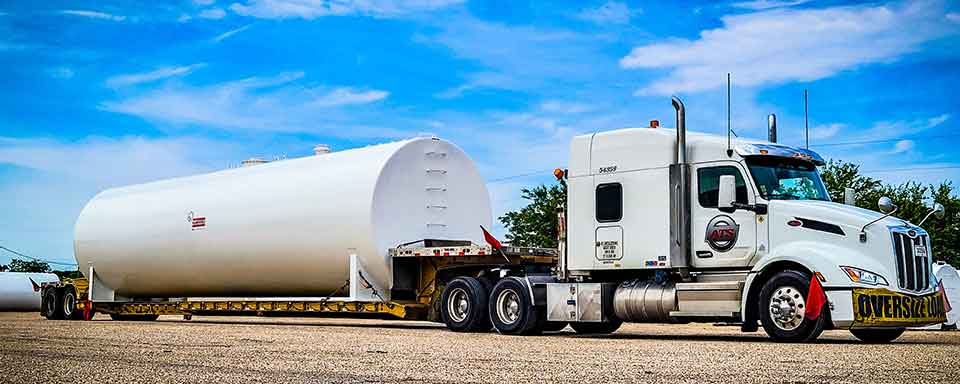
What is the purpose of the DOT’s Height Limits?
The purpose of the DOT’s height limits is to keep roads safe and prevent damage to bridges and overpasses. Following the DOT’s height rules make sure trucks can move through a route without hitting low-clearance points, causing traffic issues, or creating hazards for other drivers. The limits also help oversized loads stay on a consistent route without unexpected stops or risk striking bridges, overpasses, signs, or becoming entangled in power lines.
How height affects routing and why some roads can’t be used
Height plays a major role in how a route is planned because not every road offers enough overhead space for taller loads. Because some roads have older bridges, tunnels, traffic signals, or shorter utility lines, a tall machine can’t pass through without hitting something. Planning a safer route may mean skipping highways or taking longer backroads that offer more overhead space. But some routes simply can’t be used because there’s no safe way for a tall piece of equipment to get through them, even with permits or escorts. That’s why it’s good to provide your heavy equipment transport company with accurate measurements because a few extra inches can mean changing the entire route.
Penalties for Misreporting Height
When a driver misreports the correct height of a load, it can create life endangering problems on the road. If the freight unit is taller than stated, it may hit an overpass, sign, or power line that can lead to damaged equipment, road closures, and fines from the DOT. Misreporting the height can also waste time and money. The truck might have to stop mid-route to wait for an escort or reroute. In more dire cases, the heavy shipment gets pulled off the road entirely until the correct permits are issued.
- Florida: Height-limit violations are fined at $250 per foot over the limit
- Texas: Height limit violations can reach up to $5,000 per violation, and in cases where the driver knowingly misreports heights, then fines can reach up to $15,000.
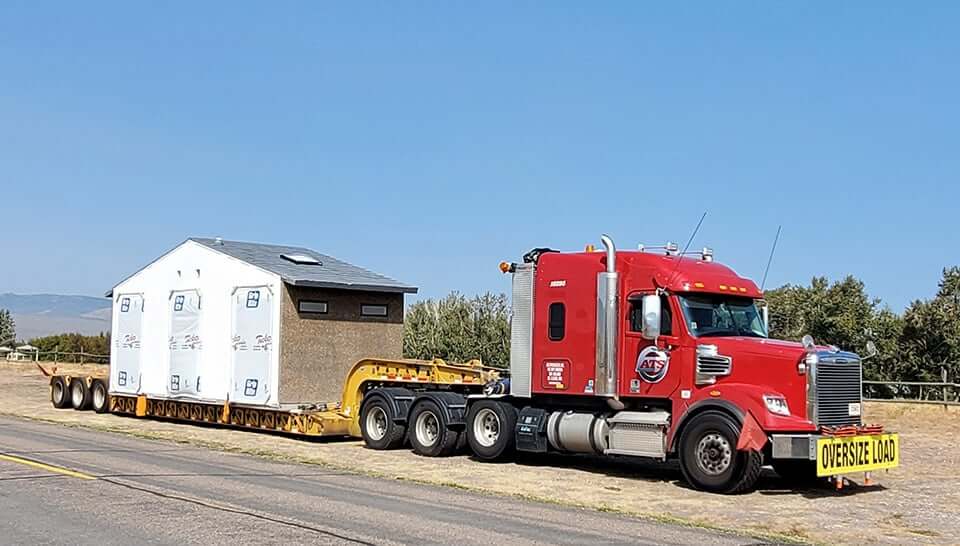
States and their DOT Classifications
Some states have one height limit for interstate highways but the same state may allow a different height limit on local roads. So you might see something like 14 ft legal height on interstates but 13 ft 6 in on certain local roads in the same state.
- Eastern states like New York, Kentucky or Florida tend to cap height limits closer to 13’6”
- Western states such as Washington and California are more lenient with the standard legal height limit being 14 ft. Oversize loads higher than 14 ft may be allowed on certain roads under special permit and on a cleared route.
- Colorado offer more clearance with height limits reaching 14’ 6”
- Alaska is the least restrictive of all the states, allowing taller machines reaching up to 15 ft to travel under certain permits.
In some states like California or Louisiana, the legal height limit isn’t always the same on every type of road, which is why route planning is so important for tall shipments.
*Height limits vary significantly by state, the road type and permit status. Always check with the state DOT for exact current limits.