Heavy Equipment Transport Permits In Pennsylvania
Moving heavy equipment in Pennsylvania requires the right paperwork, and the most important is the PennDOT oversize and overweight permit. Every load that exceeds 80,000 pounds, 8.5ft wide, 13.5ft tall, or 53ft long requires a permit before any heavy equipment is transported.
Our specialists apply through PennDOT’s online permit system. Single-trip permits usually come back quickly. If hauling machinery in the same corridor regularly, a multi-trip permit works well instead of applying for a permit for every move.
Larger loads mean more preparation. Oversized loads exceeding 100,000 pounds undergo an engineering review first. Go past 200,000 pounds, and PennDOT will require a full study of the bridges and road surfaces along the route. Factor in the permit fees too since they are based on load size, weight, and total miles traveled.
Pricing for Heavy Equipment Transport in Pennsylvania
Heavy equipment shipping costs vary based on different factors. The cost to move heavy equipment in Pennsylvania depends on fuel prices, trailer requirements, permit costs, and haul distance. Here is the current per-mile pricing:
Distance | Cost Per Mile
- 0 to 200 miles: $4.00 to $5.00 per mile
- 200 to 500 miles: $3.50 to $4.50 per mile
- 500 to 1,000 miles: $2.50 to $4.00 per mile
- 1,000+ miles: $2.00 to $3.50 per mile
Additionally, oversize or overweight loads may have permit fees, escort vehicle costs, and fuel surcharges on top of the base rate. Our specialists provide detailed quotes for every cost so people know what they are paying for.
Pennsylvania heavy equipment hauling companies near you
When you are searching for heavy equipment transport in Pennsylvania, you need to locate a company that is aware of the equipment needed to get the job done. This can help you overcome many of the process’s problems. In addition, the Pennsylvania heavy equipment hauling companies near me should be aware of the limitations associated with the route as well. This is the most convenient and effective method for you to overcome unexpected problems while getting the job done.
Which Pennsylvania Cities Do You Provide Heavy Equipment Transport To?
We Will Transport It services all cities in Pennsylvania, no matter the terrain. We ship oversized machinery to and from:
Philadelphia • Pittsburgh • Harrisburg • Allentown • Scranton • Wilkes-Barre • Lancaster • Erie • State College • Reading • York • Adams County
Trailers We Use for Pennsylvania Heavy Equipment Transport
Choosing the right trailer is one of the most important decisions in any heavy haul. Here are the trailer types that we use and why:
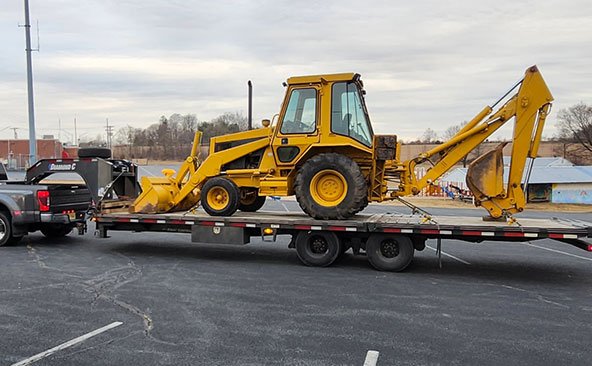
RGN Trailer (Removable Gooseneck): The RGN trailer is the go to choice for equipment that drives on its own power, such as bulldozers and excavators. The front detaches, creating a ramp that allows the machine to drive directly onto the deck.
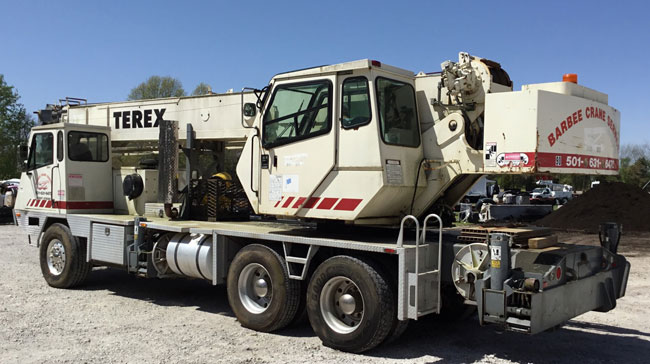
Lowboy Trailer: A lowboy trailer rides close to the ground, which helps keep the total height of the load within legal limits. It works well for tall construction equipment and large cranes.
Flatbed Trailer: A flatbed trailer is the most versatile option for wide, flat cargo like structural steel, concrete forms, and machinery with a low profile.
Landoll Trailer: A landoll trailer features a tilting deck that slides back and lowers to the ground for easy loading without a separate ramp or crane.
Double-Drop Trailer: A double-drop trailer has two lowered sections that allow extremely tall equipment to remain in the lowest possible position, reducing overall height and improving stability.
Each trailer option serves a specific purpose, and our specialists ensure the proper trailer is matched to the load for every move.
Pennsylvania Farm Equipment Hauling
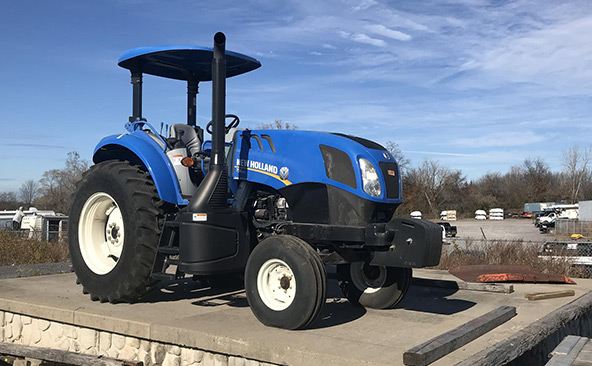
Pennsylvania agricultural equipment transport is a significant part of our work, particularly during spring planting and fall harvest seasons, when equipment needs to move quickly between farms or storage facilities. Agricultural equipment such as combines, large tractors, and hay equipment often exceeds standard width and height limits, so permits are required even for short moves.
Our specialists understand the seasonal urgency of farm equipment transport. Consequently, we offer expedited heavy equipment transport options for people who need it quickly.
Regulations for Pennsylvania Heavy Equipment Transport
The permit allows the heavy equipment to move on the road. The regulations keep the equipment legal while in motion.
Most oversize loads in Pennsylvania can only travel during daylight. No Sundays, no major holidays, and if the weather is bad, the heavy haul has to stop and wait. Also, Ice or low visibility requires the move to stop, and not keep going till it gets better.
Pilot cars are required depending on how wide the load is. For equipment over 12 feet wide, at least one pilot car is required. In addition, for loads exceeding 14 feet, a pilot car is required in the front and back. Go over 16 feet, and a Pennsylvania State Police escort will be part of the heavy equipment transport. The permit will list exactly what the specific load requires.
The conditions on the permit are not optional. PennDOT and state police do check, especially on common heavy haul corridors. If something does not match what is on the paperwork, the load can be held on the spot until it gets sorted out.
Pennsylvania Heavy Equipment Transport Major Routes
Pennsylvania connects the Midwest to the Northeast, so a lot of heavy freight moves through the state at any given time.
- The Pennsylvania Turnpike, Interstate 76, is the main east-west corridor. It runs from the Ohio line to the New Jersey border and passes through Pittsburgh along the way. Oversized loads can use it, but the Turnpike has its own set of rules, separate from those for regular state roads. Our specialists contact the Pennsylvania Turnpike Commission before planning a move on that route.
- Interstate 80 serves traffic across the northern part of the state and is a good option for tall loads, as that part of Pennsylvania is more rural and has fewer overhead obstacles.
- Interstate 81 goes north to south on the eastern side and connects to New York above Scranton and to Maryland to the south.
- For loads that cannot go on the highway, Route 30 and US Route 22 cover a lot of ground across the central and southern parts of the state and serve as common alternates.
Bridge weight limits and clearance ratings do get updated. A route that worked on the last heavy haul may have a restriction on it today. We Will Transport It ensures that PennDOT approves the planned route before the heavy equipment transport.
Pennsylvania Heavy Equipment Transport Ports
Pennsylvania has three major ports, each on a completely different type of waterway, which makes the state unlike anywhere else in the country.
The Port of Philadelphia, also known as PhilaPort, is along the Delaware River and is the largest of the three. It handles cargo coming in from the Atlantic Ocean and fifteen facilities along the river, including the Tioga Marine Terminal, the Packer Avenue Marine Terminal, and several piers ranging from Pier 78 through Pier 124. PhilaPort is one of only a handful of ports in the country cleared to handle military cargo. When heavy equipment comes off a ship in Philadelphia, it often moves through I-95 or I-76 into the broader Pennsylvania road network.
The Port of Pittsburgh is an inland river port covering 13 counties in southwestern Pennsylvania and stretching across nearly 200 miles of commercially navigable waterways. The Allegheny River, the Monongahela River, and the Ohio River all pass through the port district, and 17 lock and dam systems keep those waterways open for barge traffic. There are over 200 river terminals and barge operators working in and around Pittsburgh. All the terminal facilities there are privately owned and operated, which sets Pittsburgh apart from other major ports in the country. Heavy equipment coming through Pittsburgh connects to road transport via four interstate highways as well as CSX and Norfolk Southern rail lines.
The Port of Erie is on Lake Erie in the northwestern corner of the state and provides Pennsylvania with direct access to shipping on the Great Lakes. It has a 1,000 foot dry dock used for building and repairing ships on the Great Lakes. Cargo moving through Erie can reach the entire Great Lakes region and connect to international shipping lanes through the St. Lawrence Seaway.
Save on Pennsylvania Heavy Equipment Transport
Here’s how you can get the best value for your shipment:
- Book early: Advance scheduling keeps costs lower.
- Compare quotes: We’ll match or beat reputable competitor rates.
- Be flexible: Off-peak pickups can save money.
- Ship multiple loads: Ask about discounts for multi-equipment transports.