Tennessee Heavy Equipment Hauling for Any Machine
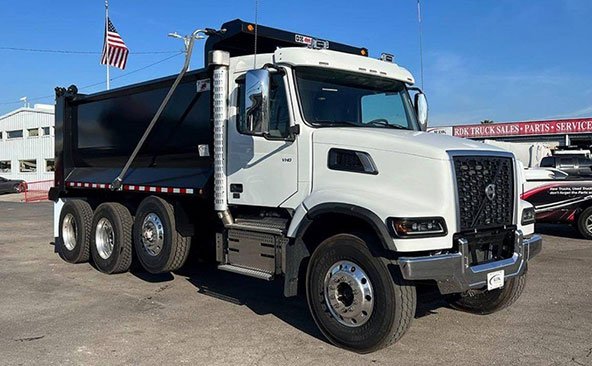
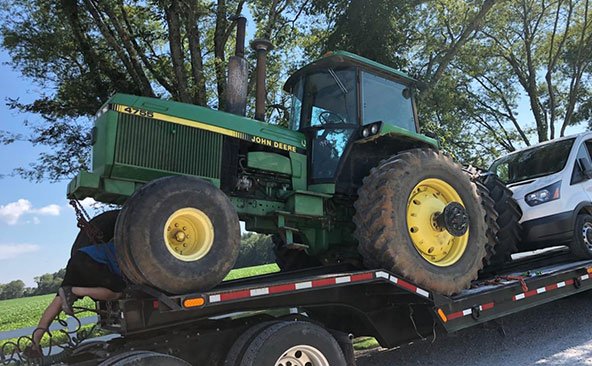
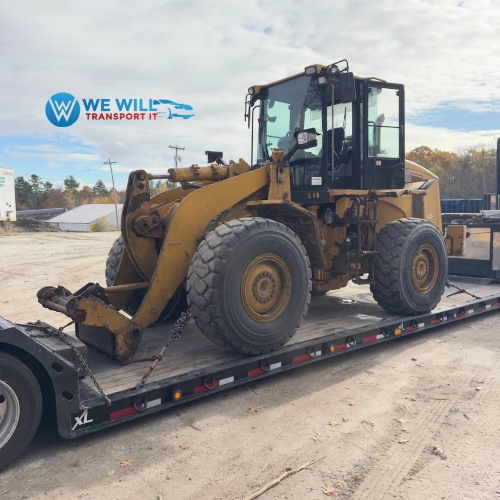
Tennessee heavy equipment transport handles a lot of ground. We Will Transport It moves excavators, bulldozers, and cranes safely from job sites, storage yards, equipment auctions, and anywhere else the machinery is located. Our specialists also transport agricultural machinery, generators, manufacturing equipment, and just about anything else that is too big or too heavy for a standard truck.
Offering safe construction machinery hauling services. We work with road contractors, site prep crews, earthmoving companies, and general contractors across Tennessee. Moving industrial equipment for factories, processing plants, and utility companies is another big part of what we do.
Massive superload transportation requires extra planning, special permits, and sometimes a police escort. We have handled loads like that before, and our specialists know how to coordinate it so nothing goes wrong on the road.
Heavy Equipment Transport Costs in Tennessee
The price to move heavy equipment in Tennessee depends on fuel prices, trailer requirements, and permit costs at the time of the move. The distance also plays a big role in the costs.
Hauling oversized, overweight, and high-value machinery across Tennessee may carry added costs if the route requires escort vehicles or special rigging at pickup.
The Tennessee heavy equipment transport costs start at the rates shown below. These are starting prices based on distance.
Distance | Rate Per Mile
- 0 to 200 miles – $4.00 to $5.00 per mile
- 200 to 500 miles – $3.50 to $4.50 per mile
- 500 to 1,000 miles – $2.50 to $4.00 per mile
- 1,000 plus miles – $2.00 to $3.50 per mile
*Rates are estimates only. Final pricing reflects equipment dimensions, weight, permit fees, and fuel at the time of booking.
Load Securement and Real-Time GPS Tracking
Heavy machinery transporters know that a poorly secured load can hurt someone. Our drivers use heavy-duty tie-downs rated above the weight of each load. They also use blocking, bracing, and chain setups around the specific machine being moved. Every driver runs through a full load securement checklist, no exceptions.
We provide real-time updates via our GPS tracking system throughout the move. Our dedicated logistics specialists know the location at any time and the estimated arrival.
Our experienced heavy-duty machinery drivers check in with the dispatch at every fuel stop and weigh station. That steady communication keeps everyone informed if road conditions or traffic require a route change.
Getting the Right Permits for Heavy Hauling in Tennessee
In Tennessee, any load that goes over the standard size or weight limits requires a permit. The Tennessee Department of Transportation, known as TDOT, is the agency that handles these permits.
Here is what counts as oversized in Tennessee. If the load is wider than 8 feet 6 inches, taller than 13 feet 6 inches, longer than 65 feet for a single vehicle or 75 feet for a combination, or heavier than 80,000 pounds gross weight, a permit is required.
Single-trip permits are used for a one time move. Annual permits are available for carriers who regularly transport oversized loads throughout the year. Tennessee also offers a 72 hour permit option for loads that need quick approval.
Our specialists apply for permits through the Tennessee Oversize and Overweight Permit System. Most standard permits can be processed quickly, sometimes the same day. For very large or unusual loads, TDOT may require additional time to review the route and verify the bridge ratings.
Some loads need more than just a permit. If the load exceeds a certain width, more than 14 feet, it will need a pilot car to drive ahead of and sometimes behind the truck. Loads that are extremely wide or heavy may also require a Tennessee Highway Patrol escort.
Tennessee Size and Weight Rules For Heavy Equipment Transport
Tennessee follows federal weight limits on most of its roads, but some state specific rules matter a lot depending on where the heavy equipment transport is.
The basic weight limits in Tennessee work like this. For a single axle, the maximum capacity is 20,000 pounds. A tandem axle can carry up to 34,000 pounds. The total gross vehicle weight on interstate highways is capped at 80,000 pounds without a permit.
Tennessee also uses a bridge formula. This calculation ensures the weight of a load is properly distributed so bridges do not get damaged. Even if the total weight is under the limit, it could still fail the bridge formula if the axles are spaced too close together.
There are seasonal weight restrictions in Tennessee too, mainly in the spring when roads are softer and more likely to be damaged by heavy loads. TDOT posts these restrictions, which can affect certain routes with little advance notice, so our specialists make sure to check for every heavy haul during winter and early spring.
In addition to state regulations, there are also local county and city rules. Some Tennessee counties have their own restrictions on certain roads and bridges, especially in rural areas. Our specialists check with local authorities if the route goes off the main highways.
The Best Routes for Heavy Equipment Hauling Across Tennessee
Tennessee is right in the middle of the Southeast, making it a major crossroads for heavy haul trucking. Three main interstate corridors carry most of the heavy equipment traffic in the state.
- Interstate 40 is a reliable route for east to west heavy equipment transport in Tennessee. It goes straight across the state from the North Carolina border through Nashville and on to Memphis. This is the most commonly used route for loads moving between the eastern and western parts of the country. Nashville can get congested, so many carriers plan their moves through the city during nighttime hours.
- Interstate 65 goes north to south through the middle of the state, connecting the Kentucky border, passing through Nashville, and continuing into Alabama. This is a heavily traveled route for loads coming out of the Midwest heading toward Gulf Coast ports or industrial sites in Alabama and Mississippi.
- Interstate 75 cuts through the eastern part of Tennessee, going from the Virginia and Kentucky borders through Knoxville and Chattanooga before crossing into Georgia. This corridor is popular for loads moving between the Great Lakes region and Florida.
- Interstate 81 goes east to west in the northern part of the state. This route connects with I-40 near Dandridge and is a common choice for loads entering Tennessee from Virginia.
Some oversized loads cannot use certain interstates due to bridge clearances or weight restrictions at specific locations. TDOT can provide route surveys for unusually large or heavy loads to help drivers find the safest path before the move begins.
Tennessee Ports and Transfer Points for Heavy Equipment
While Tennessee is a landlocked state, it has significant port and transfer infrastructure along its rivers that are important for the heavy equipment logistics.
The Port of Memphis is located on the Mississippi River and is one of the busiest inland ports in the country. Many heavy construction equipment, agricultural machinery, and industrial components move through Memphis because of its river access combined with its position as a major trucking and rail hub. If moving equipment that needs to travel by barge at any point in its transportation, Memphis is usually the primary entry point.
The Port of Nashville operates on the Cumberland River and handles a surprising amount of cargo for a city that most people think of as land based. Heavy equipment moving into central Tennessee often arrives or departs through Nashville’s river facilities.
The Port of Chattanooga on the Tennessee River handles cargo in the southeastern corner of the state. Chattanooga is also a major rail hub, so a lot of oversized equipment gets transferred between rail and truck there.
Beyond the river ports, Tennessee has several intermodal freight facilities where heavy equipment moves between trucks and rail cars. The Memphis area has multiple large rail yards that connect to virtually every major rail line in the country. Our specialists move equipment over long distances, combining rail and truck transport through these facilities to help save money and reduce the number of miles a load travels on public highways.