The Alabama Department of Transportation issues permits, and most applications take 5 to 10 business days to take effect. A permit filed too late can stop a heavy equipment transport from happening.
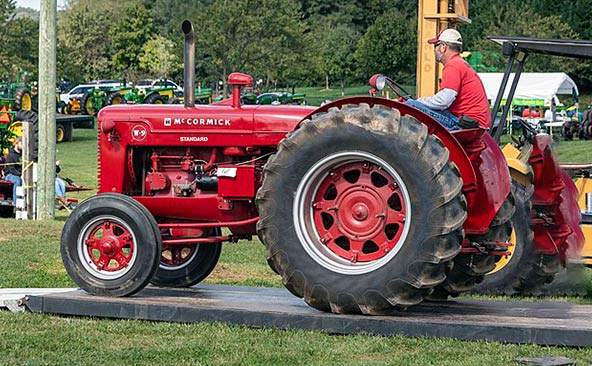
- Tractors
- Bulldozers
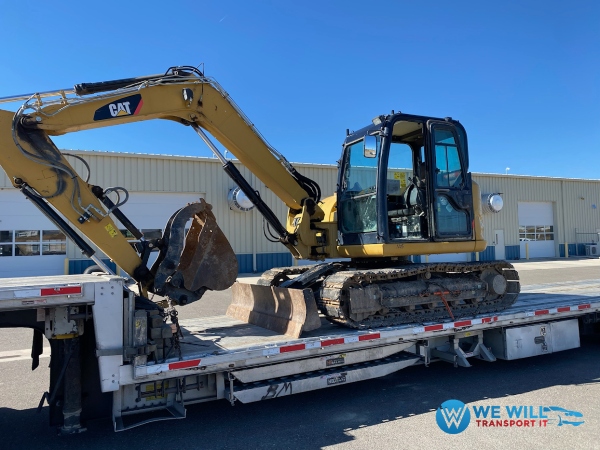
- Excavators
- Cranes
- Farm equipment
- Construction machinery
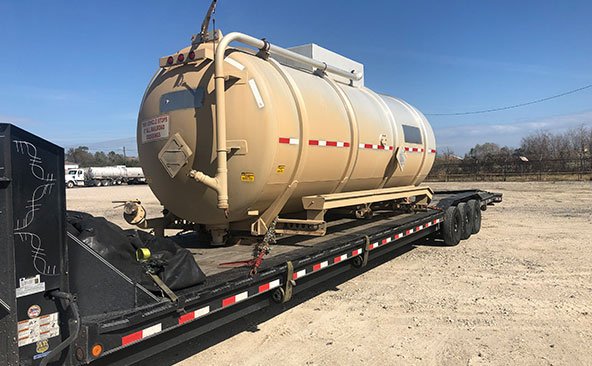
- Oversized shipping containers
Alabama Regulations for Heavy Hauling
Pilot cars, also called escort vehicles, are required when a load exceeds certain size limits. If the load is between 12 and 14 feet wide, one escort vehicle is sufficient: front on a two-lane road, rear on a multilane one. Past 14 feet, both a front and rear escort come along, no matter what kind of road it is. Height has its own trigger too. Anything over 15 feet 6 inches tall needs a front escort carrying a height pole, since low bridges and power lines don’t show up on a GPS.
Length and overhang carry their own requirements.
- Loads between 125 and 150 feet need a front and rear escort.
- Past 150 feet, those escorts have to be actual law enforcement, not a private pilot car company.
- More than five feet hanging off the back calls for a rear escort.
- Ten feet or more sticking out front calls for a front escort.
Construction equipment has its own rules too. A bulldozer or front end loader has to travel blade first toward the rear whenever the blade sticks out past the trailer. An excavator or any other machine with a bucket or blade requires two pilot cars once the load is 12 feet wide. One odd exception: 60 foot structural steel skips permits and escorts altogether, since steel that long rarely comes apart into smaller pieces anyway.
Timing matters as much as size. Travel only happens during daylight, from half an hour before sunrise to half an hour after sunset. Sundays are not allowed, and so are the big holidays: New Year’s Day, Memorial Day, Independence Day, Labor Day, Thanksgiving, and Christmas. Every wide or long load needs an “OVERSIZE LOAD” sign on the front and back, plus flags at each corner.
Best Alabama Roads for Moving Heavy Equipment
Interstate 65 cuts straight down the spine of the state, going through Huntsville, Birmingham, and Montgomery before hitting the coast at Mobile. Heavy haul happens on this corridor more than any other, since it brings the state’s biggest industrial hubs to the port and to whatever lies north or south of the border.
Up north, Interstate 20 and Interstate 59 handle freight between Birmingham, Tuscaloosa, and the Mississippi and Georgia lines. Steel mills and manufacturing plants in that area depend on it daily to move heavy machinery in and out.
Interstate 85 angles southeast out of Montgomery toward Atlanta, opening up the whole southeastern freight network. Down on the coast, Interstate 10 connects Mobile to Mississippi on one side and the Florida Panhandle on the other, and that road sees plenty of equipment headed toward coastal construction and energy work.
County roads and smaller highways are in the rest, but bridge weight limits off the interstate system can catch a driver off guard. Alabama’s permit office flags those restricted bridges and tight underpasses ahead of time, which beats finding out the hard way halfway through a delivery.
Ports for Heavy Machinery Hauling in Alabama
The Port of Mobile does the heavy lifting when equipment moves in or out of Alabama by sea. Operated by the Alabama State Port Authority, this deep water port handles project cargo, breakbulk shipments, and oversized machinery that won’t fit in a standard container. Cranes, turbines, drilling rigs, anything too big for a box, moves through here.
Located where Interstate 10 and Interstate 65 meet, the port is easy to work with. Equipment can roll straight off a ship and onto a flatbed without much downtime. Rail lines at the port provide a second option to push freight farther inland once customs clears it.
When moving heavy machinery through Alabama by sea, contact a port authority early, since arranging a crane lift or special unloading equipment can take time. Pair that with a permit that’s already filed, and the transportation from ship deck to job site goes smoothly.