(800) 677-1196
Call Us Now

Not sure what you need? Call 800-677-1196
Questions? Call 800-677-1196
We Will Transport It takes the stress out of car shipping in Texas with safe, affordable, and on time delivery. Whether you choose an open carrier or prefer the added protection of enclosed transport, our team is ready to move your vehicle anywhere in Texas or across the country. From Dallas and Houston to Austin and San Antonio, we’re the car transport company drivers trust for dependable service.
Texas is one of the highest-volume auto transport markets in the country. The Lone Star State draws more inbound relocations than almost anywhere else, the Texas Triangle alone, Dallas, Houston, San Antonio, Austin, generates enormous cross-city demand, and four major military installations keep a steady cycle of vehicles moving in and out year-round. We Will Transport It handles all of it: open and enclosed transport, door-to-door pickup and delivery, intrastate moves and coast-to-coast hauls.
Call us today at (855) 600-1118 or complete our online form to receive a free quote.


No state income tax, relatively low cost of living, and a booming job market have made Texas the top destination for domestic relocation for several consecutive years. That migration creates consistent auto transport demand from both directions, people arriving with their vehicles and, increasingly, people shipping cars they’ve purchased from out-of-state dealers.

Car transport pricing is not fixed. Distance, vehicle size, trailer type, time of year, and route demand all factor into what you pay. Texas routes are active year-round, which keeps competition among carriers strong and open carrier rates competitive. The estimates below are for a standard sedan on an open carrier.
| From | To | Distance | Est. Transit | Est. Cost (Open) |
|---|---|---|---|---|
| Dallas, TX | Los Angeles, CA | 1,430 mi | 3-5 days | $700-$950 |
| Houston, TX | Chicago, IL | 1,090 mi | 2-4 days | $650-$850 |
| San Antonio, TX | New York, NY | 1,790 mi | 4-6 days | $900-$1,150 |
| Dallas, TX | Miami, FL | 1,310 mi | 3-5 days | $750-$1,000 |
| Houston, TX | Seattle, WA | 2,100 mi | 5-7 days | $950-$1,200 |
| Austin, TX | Atlanta, GA | 850 mi | 2-3 days | $550-$750 |
| El Paso, TX | Dallas, TX | 630 mi | 1-2 days | $450-$600 |
| Dallas, TX | Denver, CO | 1,000 mi | 2-4 days | $600-$800 |
Estimates based on current open carrier market rates for a standard 4-door sedan. Enclosed transport adds 30-50%. Oversized vehicles, non-running vehicles, and expedited service cost more. Remote West Texas locations (Midland, Odessa, Amarillo) may carry a small access surcharge. Call (855) 600-1118 for an exact quote on your route and vehicle.
Texas sees its highest transport demand in spring and early summer (March-June), driven by the academic calendar and the bulk of corporate relocation cycles. Fall and winter are generally easier to schedule and slightly more cost-competitive, particularly on routes between Texas and Florida.
Call (855) 600-1118 or complete the online form. We need your pickup and delivery addresses, vehicle make and model, preferred dates, and transport type, open or enclosed. Texas is a well-serviced corridor so we can usually give you a firm quote quickly.
Once confirmed, we dispatch a carrier from our network. For major Texas routes — Dallas to LA, Houston to Chicago, San Antonio to New York — lead time from booking to pickup is typically 1-3 business days for open transport. More remote West Texas and Panhandle pickups may take 3-5 business days depending on carrier availability.
The driver arrives, walks around your vehicle, and documents its pre-transport condition on the Bill of Lading. You both sign off, you hand over the keys, and we handle the rest. You’ll receive a notification when your vehicle is loaded and moving.
We deliver door-to-door wherever road access allows. On arrival the driver does a final inspection against the Bill of Lading. Any changes in condition are documented before the driver leaves. Keys are handed over and the job is done.
Open transport is the standard for most Texas shipments. Your vehicle loads onto a multi-car carrier — the same type used to move new inventory from manufacturers to dealerships. It’s the most widely available and most cost-effective option. Your vehicle is exposed to the elements, but damage rates are very low and every carrier in our network carries full cargo insurance.
Enclosed transport ships your vehicle inside a sealed trailer, shielded from weather, road grit, and sun exposure. Given Texas distances and summer heat, surface temps on a West Texas highway can exceed 160°F enclosed is worth considering for classic cars, exotics, or any vehicle you wouldn’t leave in a parking lot for a week. Enclosed runs 30-50% above open rates on most Texas routes.
For a daily driver or standard vehicle, open is the right call. For anything irreplaceable, enclosed is the right call.
The single busiest corridor out of Texas. The Dallas-to-LA route runs daily with multiple carriers. Driven heavily by reverse migration, California residents who moved to Texas but are shipping a vehicle back, and Texas buyers purchasing vehicles from California dealers. Transit is 3-5 days.
A high-volume lane year-round, with a seasonal spike in the fall as Texas residents head south for winter or relocate permanently. The Dallas-to-Miami and Houston-to-Tampa routes are the most common. Transit runs 3-5 days depending on origin and destination city.
One of the longer hauls out of Texas at 1,700-1,900 miles depending on origin. Carriers run I-20 and I-10 east before heading north. Transit typically 4-6 days. Popular with military families rotating from Fort Cavazos and Joint Base San Antonio to East Coast installations.
The Dallas-Houston corridor (240 miles) and the San Antonio-Austin run (80 miles) are the most common intrastate moves. These can often be scheduled with 24-48 hours notice. El Paso to Dallas is the longest intrastate haul at 630 miles and typically takes 1-2 days.
Texas registration is straightforward. No emissions testing is required in most Texas counties (Dallas and Houston have testing requirements for older vehicles, check with TxDMV). Most out-of-state vehicles can be registered without additional inspections beyond the standard safety check. This makes Texas one of the easiest states to register an incoming vehicle.
Texas is a well-served market, which means there’s no shortage of brokers willing to take your order. What separates us is what happens after you book. We don’t accept a deposit and then post your job on a load board hoping for a bid. We work with carriers who run Texas routes regularly (Dallas to LA, Houston to Chicago, San Antonio to the East Coast) so there’s already a qualified driver available when you confirm.
We’ve been moving vehicles for over 15 years. The Texas Triangle is one of the corridors we know best: the seasonal demand patterns, the access considerations for rural West Texas pickups, the timing windows around Fort Cavazos rotation cycles. That familiarity means fewer surprises on your end.
Every carrier in our network is vetted and insured. You get a real person when you call, not a call center routing you offshore, and you get status updates on your vehicle without having to follow up repeatedly to get an answer.

For intrastate Texas moves (Dallas to Houston, Austin to San Antonio) expect $300-$550 for a standard sedan on an open carrier. Cross-country routes from Texas to California or the East Coast run $700-$1,150 depending on distance and origin city. Enclosed transport adds 30-50%. Remote West Texas locations may carry a small surcharge. Call (855) 600-1118 for an exact quote.
Dallas or Houston to Los Angeles runs 3-5 days. Texas to Florida is 3-5 days. Texas to New York is 4-6 days. Intrastate moves within Texas, like Dallas to Houston, or San Antonio to Austin are typically 1-2 days. These estimates apply to open transport under standard conditions. Enclosed transport and rural Texas pickups may add a day.
Most Texas counties do not require emissions testing. Dallas and Houston (and surrounding counties) do require testing for gasoline vehicles from model year 1996 and newer. If you’re shipping a vehicle into the DFW or Houston metro area, check current TxDMV requirements before registration. The process is generally simpler than states like California or New York.
Yes. We handle PCS vehicle transport regularly for service members at Fort Cavazos (Fort Hood), Joint Base San Antonio, NAS Corpus Christi, Dyess AFB, Sheppard AFB, and other Texas installations. We understand the timeline pressures of PCS moves and work to match carrier availability to your reporting date. Call (855) 600-1118 and let us know your orders situation upfront.
Open transport is usually the right choice for most Texas shipments, it’s cost-effective, widely available, and statistically very safe. For classic cars, exotics, or high-value vehicles, enclosed is worth the premium. Texas summer heat and long haul distances make enclosed a smarter call for any vehicle you’d prefer not to expose to road grit and UV on a multi-day run.
Yes. Non-running vehicles require a winch-load at pickup and delivery, which adds a fee (typically $75-$150). Let us know the vehicle’s condition when you request a quote so we can assign the right equipment. This applies to vehicles with mechanical issues, flat tires, or no ignition.
Yes. All of our car transport carriers are fully licensed and insured. Your vehicle is covered while in transit, whether it’s loaded onto an open trailer or enclosed auto transport. We’ll provide you with the coverage details before your car is picked up.
For the major Texas corridors (Dallas-LA, Houston-Chicago, San Antonio-NYC) 5-7 business days is usually enough. During peak spring and summer demand (March-June), booking 10-14 days out is safer. Rural West Texas and Panhandle pickups benefit from extra lead time. If you have a fixed move date, book as early as you can regardless of season.
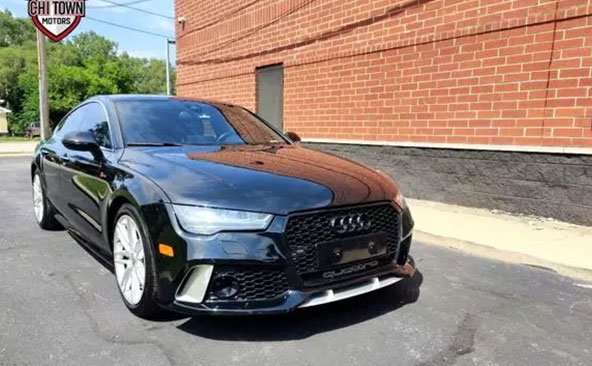
2019 Audi 500 Typ 43 shipped from Atlanta, Georgia to Austin, Texas. The customer bought the car from a dealership and wanted it hauled in an enclosed carrier. We found a seven-car hard-side enclosed carrier to take it for $1,850.00. The total time was six days.
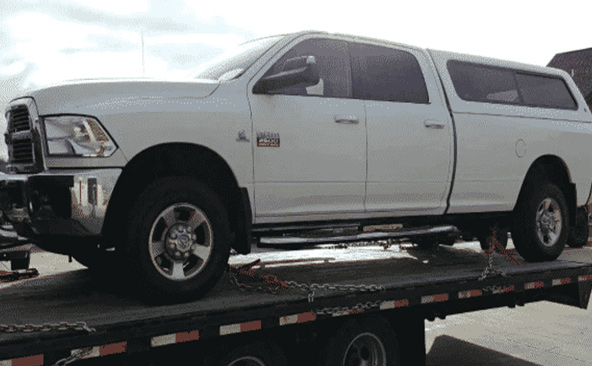
2023 Dodge Ram 3500 truck from Virginia Beach, Virginia, going to Dallas, Texas. Because the truck was lifted and had modifications, we knew it could not fit on a regular car carrier. So we dispatched a flatbed trailer to pick it up. It only took two days to deliver because, with a flatbed trailer, they can only fit two cars on their trailer, so there are fewer pickups and deliveries. Total price $1,450.00
Interstate Highways in Texas connect the state’s major cities and facilitate travel between the state and neighboring states. I-10 crosses south-central Texas from east to west, while I-40 crosses northern Texas from east to west. Texarkana is near the Arkansas border, on I-30, which runs northeast of Dallas.