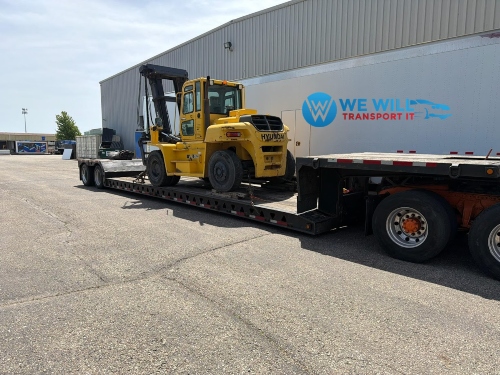
Specialized logistics is what separates a solid transport service from a truly great one. Our licensed and insured drivers bring years of hands-on experience moving all kinds of heavy equipment across long distances. Heavy machinery transporters need more than driving skills to get the job done right. They also need to understand the proper steps involved in loading and unloading assistance so that your equipment stays protected throughout the entire move.Our heavy-duty towing services and professional heavy haulers give you a secure California heavy haul from start to finish. We Will Transport It is your trusted partner for heavy hauling services in California and nationwide.
- Cranes and Tower Cranes: custom rigging and special trailers for tall loads
- Mining Equipment and Drilling Rigs: door-to-door and port shipping
- Generators: heavy haul ready for industrial sites
- Oversized Tanks and containers: permits, escorts, and safety compliance included
California Agricultural and Industrial Equipment Transportation
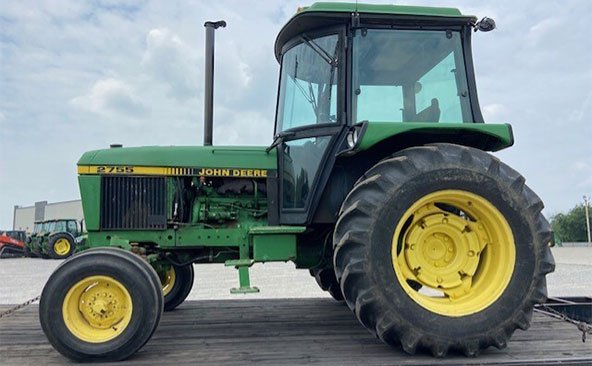
We move more than just construction equipment. Agricultural equipment transport, such as large tractors, combines, and other farm machinery, is regularly handled by our experienced drivers. Moreover, oversized load transport for manufacturing facilities and large warehouses is something we are fully equipped to handle with confidence. We understand that your equipment represents a major investment, and we treat every load with the same care from the moment we pick it up.
California Heavy Equipment Hauling Trailers and Load Configuration
Running a full-service California heavy equipment transport service requires having the right equipment or knowing which trailer to use for each machine. Lowboy and RGN trailers handle tall equipment like excavators and dozers, where keeping the load low to the ground is what keeps it under legal height. Step deck trailers work for mid-height machinery that doesn’t require the full drop. For cranes and heavy industrial equipment with weight limits, multi-axle trailers with a jeep and booster are often the only legal way to move the load.
Go over any of those numbers, and a permit is required. Axle weight is where many drivers get confused. California strictly enforces the federal bridge formula, which ties allowable weight to axle spacing. Running spread axles or adding a jeep or booster to your configuration can significantly expand your legal weight window.
Holiday blackout windows in California tend to be longer than most people expect. In fact, Thanksgiving, Memorial Day, and the 4th of July can each pull two or three travel days off the calendar. If you require a delivery around a holiday, factor it in before you commit to a date.
Securement & Safety Compliance: certified load securement per FMCSA and Caltrans standards
Major Heavy Equipment Transport Routes in California
California’s road network is large, and not every route is built the same way. That means, for California heavy equipment transport, knowing which corridors work, where restrictions apply, and which cities serve as main hubs makes the difference between a smooth heavy equipment haul and one that gets held up for days.
Interstate 5 is the primary north-to-south route in the state. It connects San Diego in the south through Los Angeles, up through the Central Valley, past Sacramento, and into Redding before crossing into Oregon. Most long-distance transport between Southern and Northern California travels this route. The Grapevine through the Tejon Pass is the section that requires the most planning, as it carries grade restrictions and closes during winter weather events.
State Route 99 runs through the heart of the San Joaquin Valley and is the go-to route for equipment serving agriculture, oil and gas, and construction operations in cities like Bakersfield, Fresno, Modesto, and Stockton. For anything staying within the Central Valley, SR-99 is usually more direct than I-5.
Interstate 10 handles the main east-to-west moves across Southern California, connecting Los Angeles and the Inland Empire cities of Ontario and Riverside through Palm Springs, Indio, and out to the Arizona border at Blythe. Solar and wind energy construction in the Coachella Valley and the Mojave Desert has made this one of the state’s busiest heavy haul routes in recent years.
Interstate 80 is the northeast-to-west route, starting in the San Francisco Bay Area, going through Sacramento, and the Sierra Nevada at Donner Pass before entering Nevada. The Donner Pass section is subject to winter closures and chain controls that can stop a move entirely, sometimes for multiple days during a heavy snow season.
Interstate 15 connects San Diego north through Temecula and the Inland Empire, climbs the Cajon Pass into the Mojave Desert, and continues through Victorville and Barstow toward Las Vegas. It is the main route for equipment moving between Southern California and Nevada.
The Port of Los Angeles and the Port of Long Beach connect to the I-710 freeway for equipment coming in from overseas before reaching I-5 and I-10 for statewide distribution. The Port of Oakland serves Northern California and connects directly to I-880 and I-80. In addition, for Central Valley destinations, the Port of Stockton is often the most practical entry point, within reach of most valley cities and avoiding Bay Area traffic.
State Route 58 through the Mojave from Bakersfield to Barstow is a useful alternate for loads heading east that avoid the grades of the Cajon Pass on I-15. US-395 runs along the eastern base of the Sierra Nevada through the Owens Valley, serving mining and energy operations in areas like Bishop and Lone Pine, and continues north toward Reno.
Get a California Heavy Equipment Transport Quote Today
We Will Transport It makes the process simple, so you can get an accurate price to move heavy equipment. Just share a few basic details about your load, including the type of equipment, the pickup and drop-off locations, and your preferred move date. From there, one of our experienced specialists will prepare a clear, honest quote for your specific move.
The size and weight of your equipment, the distance of the haul, and any permits required along the route all factor into your final cost. We help you through each part of the pricing so you know exactly what you are paying for. Complete our online quote form or call (877) 880-5991. We are ready to help you haul your heavy equipment where it needs to go.