All The Types of Equipment We Transport
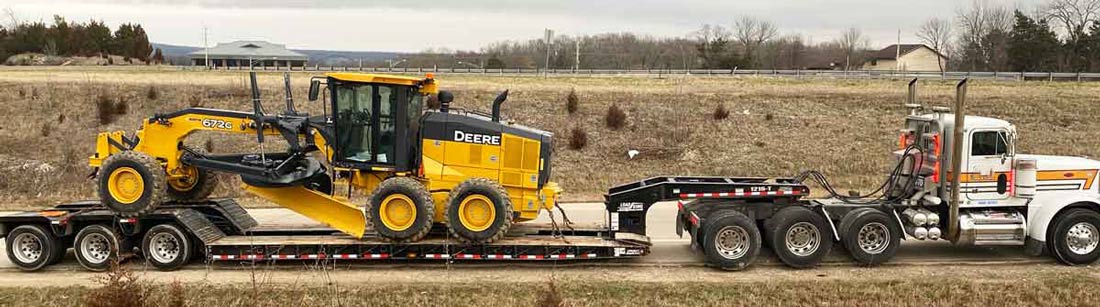
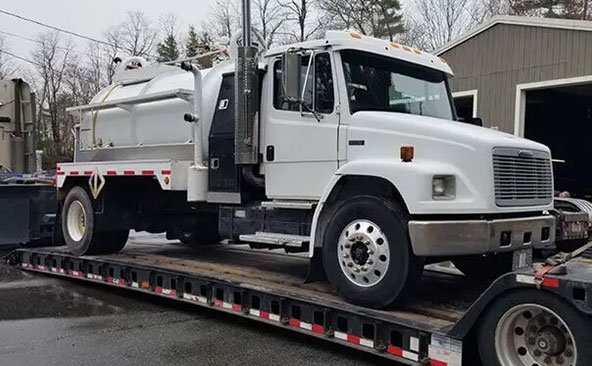
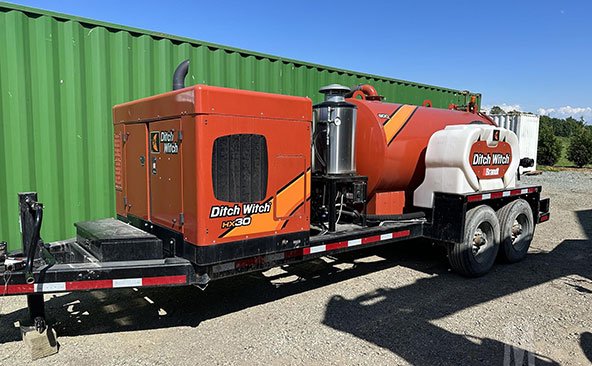
Our specialists handle excavator transport, forklift hauling, backhoe shipping, and the transportation of oversized construction equipment. Also specializing in the transport of agricultural machinery, including combines, tractors, and irrigation systems. Additionally, generators, manufacturing equipment, and other industrial cargo hauling.
For people handling massive superload moves, our dedicated logistics specialists can coordinate the entire process, including route surveys, multi-state permitting, and escort services. No matter the size or complexity, we ensure safe heavy equipment delivery across Oklahoma.
Oklahoma Heavy Equipment Transport Cost and What Affects the Price
The cost to move heavy equipment in Oklahoma depends on fuel prices, required trailers, and permit costs, among other factors. Oklahoma heavy equipment transport costs for 0 to 200 miles start at $4.00 to $5.00 per mile, and for 500 to 1,000 miles the rates typically start at $2.50 to $4.00 per mile.
Distance is obviously a big factor, but so is the complexity of the load. Hauling oversized loads that require escort vehicles or special permits will naturally cost more than a standard heavy haul on an open highway. However, working with a company that handles all of those details in-house usually saves money compared to managing them separately.
Moving Industrial Equipment Across Oklahoma and Nationwide
Oklahoma is right in the middle of the country, which actually makes it a key location for heavy equipment shipping. Farms, oil fields, construction sites, and manufacturing plants all depend on moving industrial equipment quickly and without damage. Furthermore, because the state connects so many major highways, Oklahoma heavy equipment hauling often involves multi-state routing that requires logistical planning.
We Will Transport It handles heavy equipment shipping across the United States, meaning your load does not stop being our priority just because it crosses a state line. Instead, our specialists handle state-by-state permitting. Since oversized and overweight loads require state permits before they can legally move, we handle all of that before your equipment ever leaves the location it is at.
Tracking, Insurance, and Responsibility
Real-time updates through our GPS tracking keep you informed during the heavy haul. Whether your load is crossing the panhandle or heading toward the eastern border, you can check on it and see how it is going.
Beyond location tracking, We Will Transport It ensures cargo insurance and liability coverage on every heavy equipment shipment. That coverage protects your equipment whether you are transporting heavy equipment in Oklahoma or sending it across multiple states. High-value machinery represents a serious investment, and protection is not optional.