How to Ship a Classic Car Without Worrying About It the Whole Way
Classic cars are not just transportation. They are decades of work, money, and in many cases a piece of family history on four wheels. When it comes time to move one, the process deserves the same level of care the car itself gets in the garage.
This guide covers what actually matters when shipping a classic car: how to choose the right carrier, how to prepare the vehicle so it arrives the way it left, and why the transport method you choose is one of the most important decisions you will make.
If you a Classic Car and need to move it you will need to know about the Best 3 Tips for Hauling Classic Cars, we are the best Classic car transport company in the US and the best car shipping quotes. Classic Cars, you have got to love them. Their ageless beauty and classic charm catch the eye of many car enthusiasts and novices alike.
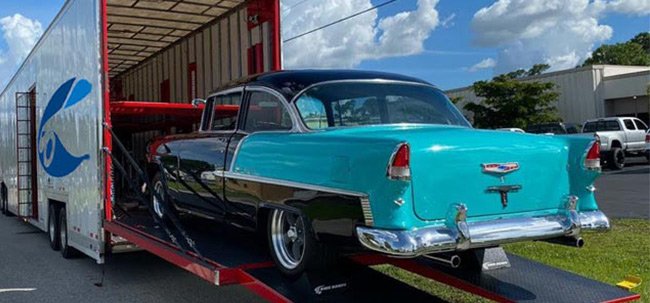
If you have a classic car in your collection, chances are that vehicle is a labor of love and you want it to be well taken care of.
Open vs. Enclosed Transport: Why the Choice Matters More for Classic Cars
Most vehicles ship fine on an open carrier. Classic cars are the exception to that rule.
Open transport exposes your vehicle to road debris, weather, and the kind of minor surface contact that leaves a mark on a freshly detailed finish. For a daily driver, that tradeoff is acceptable. For a restored 1967 Mustang fastback or a numbers-matching Corvette, it is not.
Enclosed transport solves those problems directly:
- Your car rides inside a fully closed trailer, protected from rain, dust, and road debris
- Enclosed trailers carry higher cargo insurance limits than open carriers, meaning your vehicle is covered closer to its actual insured value
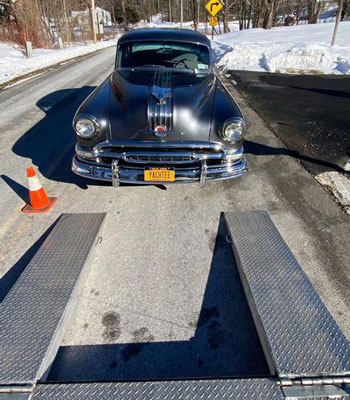
- Most enclosed trailers use lift gates for loading, which matters for low-clearance vehicles that cannot be safely driven up a ramp without damaging the undercarriage
- Your car is not visible from the road, which reduces exposure if you are shipping a high-value or well-known vehicle
Enclosed transport costs more than open. For most classic cars, that cost is worth it. The insurance coverage difference alone is often enough to make the math work.
Classic car shipping
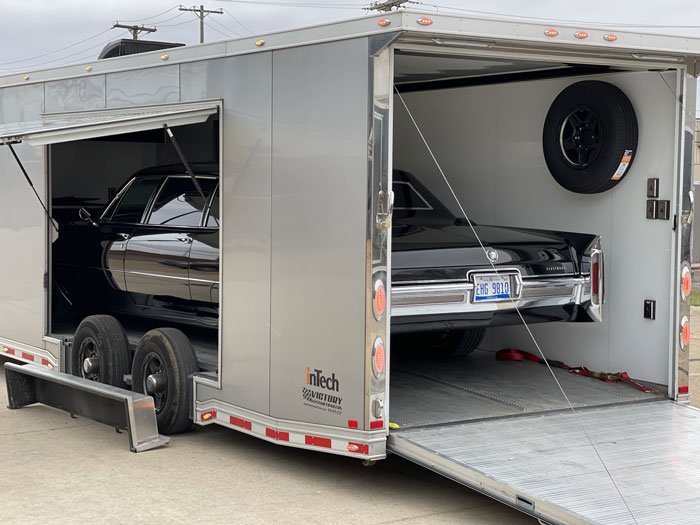
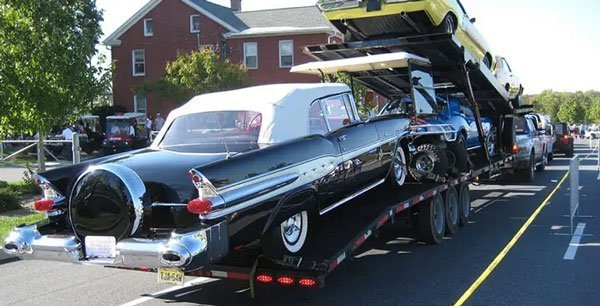 Enclosed car transport trailers have a higher insured value for the vehicles that are being transported. Enclosed trailers will protect your classic car from all the outside elements during transport. Our enclosed trailers offer several amenities that are not available with a standard open transport trailer. As we stated, the enclosed trailer will carry additional insurance for your vehicle. Also, the enclosed trailer will provide complete protection of the vehicle during transport because the vehicle will be fully protected inside the trailer. Also, most of our enclosed trailers have lift gates for loading. This is important for vehicles that have low clearance and cannot be driven up on ramps during loading because of low clearance damage to the undercarriage of the vehicle.
If you are looking to ship your classic car, here are some tips you should follow:
- Find an Excellent Shipping Company – The best thing you can do to keep your vehicle safe during transport is to research and find a highly recommended shipping company that has worked with classic cars in the past. There are a lot of companies that claim that they have the ability to transport classic cars. Please make sure that you take the time to research these companies to make sure that they are legitimate.
- Prepare Your Classic Vehicle – Before shipping, it is important to cover or remove certain parts of the vehicle to further protect it from environmental and road damage. It is also recommended to take pictures of your vehicle before shipping. Make sure that if when the paperwork is completed b the driver at the time of pickup for the vehicle that the paperwork accurately reflects the condition of the vehicle. Make sure you and the driver complete an extensive walk-around of the vehicle during the initial inspection.
- Consider Closed Container Shipping – Vehicles shipped in a closed container are commonly insured at a higher price than vehicles that are shipped on an open carrier. Furthermore, closed container shipping is safer for classic cars. As we discussed earlier, the enclosed car trailer is the most secure method of transport for classic cars. These trailers will provide you the greatest peace of mind during the transport of your classic car. Keep in mind that these trailers are considered premium trailers and do come with a premium rate for transport.
How to Choose a Classic Car Transport Company
Not every carrier that says they handle classic cars actually does it well. The right company has specific experience with high-value vehicles and can demonstrate it.
Here is what to verify before you book:
Verify their DOT and MC numbers
Every legitimate carrier operating in interstate commerce has a DOT number and an MC number. Look both up at fmcsa.dot.gov before signing anything. If a company cannot or will not provide them, stop there.
Ask about their experience with classic and collector vehicles specifically
A company that ships refrigerators and construction equipment on the same trailer as your vintage car is not the right fit. Ask directly how many classic or collector vehicles they have transported, what trailer types they use, and whether they have references from other classic car owners.
Understand what their cargo insurance actually covers
Standard cargo policies often pay actual cash value, not replacement cost. For a rare or restored vehicle, those two numbers can be very different. Ask for the policy limit and confirm whether it covers the appraised or insured value of your specific car before the truck leaves your driveway.
Get the delivery window in writing
A reputable carrier will give you a date range, not a vague promise. Understand what their policy is if they miss that window and who you contact if there is a problem during transit.
How to Prepare Your Classic Car for Transport
What you do before the truck arrives directly affects whether your car arrives in the same condition it left. These steps are not optional.
Document the condition thoroughly before pickup
Photograph every panel, the interior, the undercarriage, the engine bay, and any existing damage before the driver touches the car. Use time-stamped photos. Do a complete walkaround with the driver at pickup and confirm that the condition report they complete matches what your photos show. Sign nothing that does not accurately reflect the vehicle’s condition at the time of handoff.
Handle fluids and fuel
Most carriers require your fuel tank to be no more than a quarter full for transport. Check your coolant and brake fluid levels but do not overfill them. If there are any known fluid leaks, disclose them to the carrier before pickup. A leak on a trailer is a problem for every vehicle being shipped, not just yours.
Disable alarms and remove loose items
An alarm that triggers repeatedly during a multi-day transit drains your battery and creates headaches for the carrier. Disable it or provide the code and instructions. Remove any loose items from the interior and trunk, including custom accessories, valuables, and anything that could shift during loading and unloading.
Cover or protect vulnerable components
If your car has an exposed carburetor, soft top, convertible boot, or any component that is particularly vulnerable, cover or protect it appropriately before handoff. Even in an enclosed trailer, vibration and movement during transit can cause contact damage if something is not secured.
Take the photos even if you trust the carrier completely. The photos are not about distrust. They are the documentation you need if something goes wrong, and the best carriers will expect you to have them.
International and Overseas Classic Car Transport
Moving a classic car overseas adds permit, customs, and documentation requirements that domestic transport does not have. The basics apply whether you are shipping to Europe, to a collector market in Asia, or moving a car you purchased abroad back to the US.
What you will need:
- A vehicle title in your name, or notarized documentation if the title is held by a lender
- A bill of sale or appraisal document confirming the vehicle’s declared value for customs
- Country-specific import documentation for the destination, which varies significantly by market
- Confirmation of whether the vehicle needs to comply with local emissions or safety standards before it can be registered at the destination
We handle international classic car transport and can coordinate the full logistics chain from pickup to overseas delivery.
What to Do When Your Car Is Delivered
Do not sign the delivery paperwork until you have inspected the vehicle. This is the step most people skip, and it is the step that matters most if there is a damage claim.
At delivery:
- Do the full walkaround in daylight if at all possible. Damage is easy to miss under artificial light
- Compare what you see against your pre-shipment photos before you sign
- Note any damage on the delivery receipt before you sign it. A signed receipt with no exceptions noted is treated as confirmation the vehicle arrived in good condition
- Photograph any damage immediately, before the driver leaves
If there is damage and the carrier disputes it, your pre-shipment photos, the signed condition report at pickup, and the delivery receipt are your evidence. Keep copies of all three.
Ready to Ship Your Classic Car?
We Will Transport It specializes in enclosed classic car transport for collectors, restorers, and enthusiasts shipping vehicles across the country and overseas. Our team understands what these cars mean to their owners and handles them accordingly.
Get a quote or call 800-677-1196. Tell us what you have, where it is going, and when you need it there.