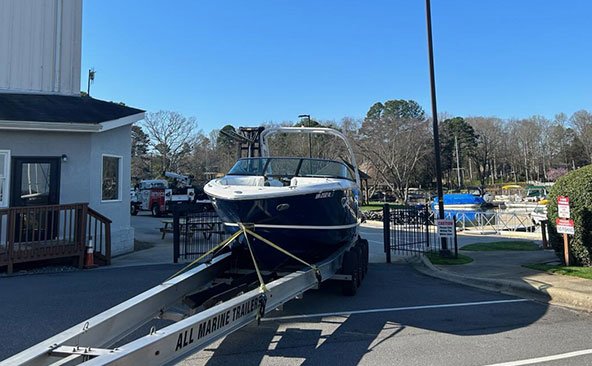
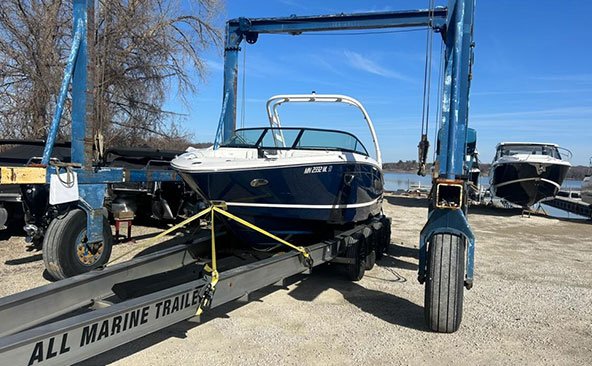
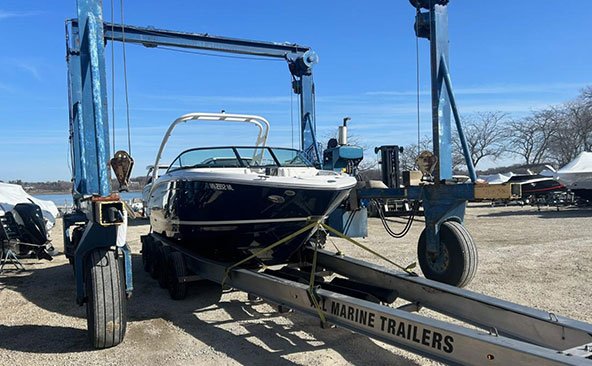
Safe boat transport in North Carolina starts with planning and the right equipment for the terrain and waterways you are moving through. Oversized boats need permits and, in some cases, pilot cars, especially when leaving coastal areas with low bridges or navigating tight town streets and older roads around mountain lakes and in the Piedmont.
We regularly handle:
- Short moves between North Carolina marinas and storage yards
- Moves from inland lakes like Lake Gaston, Lake Norman, and Kerr Lake to coastal areas
- Trips to and from marinas on the Cape Fear River and in port cities such as Wilmington and Morehead City
- Interstate routes from North Carolina to South Carolina, Georgia, Florida, and other nearby states
- Longer hauls from Outer Banks areas and beach towns such as Oak Island and Carolina Beach to Texas, the Midwest, and California
- International yacht routes that involve North Carolina ports and careful timing around ship schedules
Top-rated boat hauling comes from a consistent process and real experience, not simply trying to be the fastest option. That is how boats move safely across North Carolina and beyond.
North Carolina Boat Transport Costs
Budgeting is simple with We Will Transport It, we offer transparent boat shipping rates. North Carolina boat transport costs start at $2.00 to $5.00 per mile, but for short distances, the price increases from $4.00 to $15.00 per mile. The price depends on the boat’s size, distance, trailer, and permit requirements.
Overland boat transport costs can change with fuel prices and seasonal demand. Yacht transportation costs are higher than those for moving a small boat due to vessel size and the extra preparation time required. Use our online boat shipping cost calculator or call (877) 330-0051 to speak with a specialist.
Local Moves and Statewide Boat Delivery in North Carolina
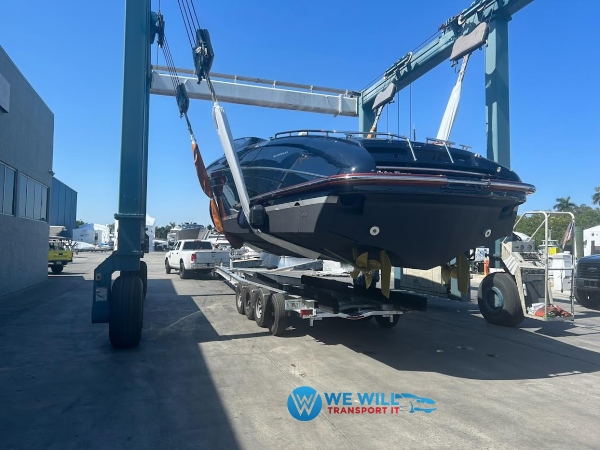
Transporting a vessel locally can be different, such as a short lift from a storage yard to a nearby ramp. Accordingly, our local boat transport drivers serve Wilmington, Charlotte, Raleigh, and every town in between. Marina-to-marina boat transport remains a popular request. In fact, moving boats to Lake Norman and the inland rivers keeps drivers busy all summer, and boat transport to lakes across the Piedmont follows close behind. Coastal clients count on We Will Transport It to ship vessels to the Outer Banks ahead of peak fishing seasons. Ultimately, boat delivery across North Carolina is quick because our specialists map each route in advance.
Oversized Boat Shipping in North Carolina
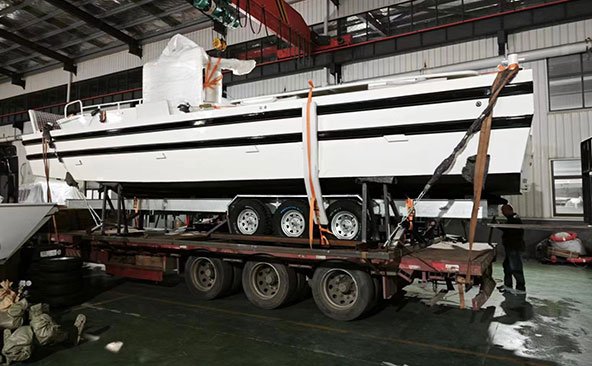
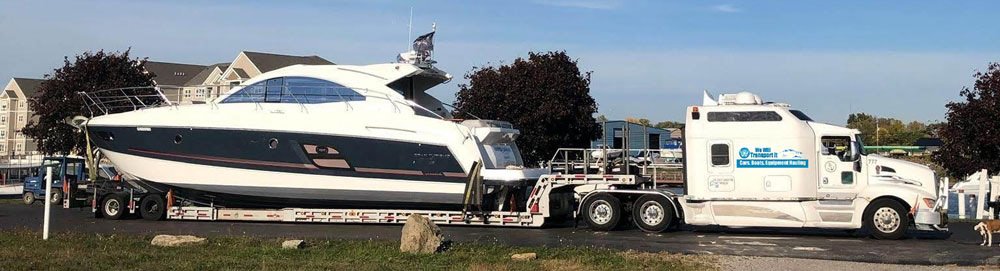
Large hulls demand planning. Hauling oversized loads begins with route surveys, escort vehicles, and state permits. When hauling oversized boats that exceed 13 feet, night travel restrictions and bridge clearances must be considered. Likewise, large yacht transport requires crane coordination for pickup and delivery. Moving oversized yachts through mountain passes with our overland transport services is done by licensed and insured drivers.
Boat Transport Permits in North Carolina: What the State Requires
Here’s something most boat owners never think about until moving day. A boat on a trailer is often too wide to travel legally on North Carolina roads without a permit. The state requires a permit if the load exceeds 8 feet 6 inches in width and 13 feet 6 inches in height. Plenty of center consoles go past that width limit, and almost every sailboat does on a trailer.
So who hands out the permits? NCDOT, the North Carolina Department of Transportation. The good news for boat owners is simple. Transport companies get these permits themselves for the move, usually within a day or two.
North Carolina Permits for Boat Hauling:
- Single-Trip Oversize Permit: This permit is for only one boat from the location to the destination. This is the permit behind nearly every residential haul in the state.
- Annual Oversize Permit: Companies that regularly haul boats use this permit to avoid the paperwork for each transport.
- Overweight Permit: Rarely required for trailered boats, but large yachts and heavy displacement hulls can exceed past legal weight.
- Superload Permit: Reserved for the largest vessels. A 60-foot yacht headed from Wanchese to a marina in Wilmington needs engineering reviews, route surveys, and weeks of lead time.
- Escort or pilot cars: Not exactly a permit, but NCDOT requires them once a load gets wide enough. A pilot car runs ahead of the truck to warn oncoming traffic on narrow roads.
Rules That Come With the Permits
An NCDOT permit locks the driver into a specific route, and troopers do check. Not taking the approved route results in fines. Oversized loads move during daylight, on weekdays only in most cases, and the state shuts down oversize movement around holidays like July 4th, when there is more traffic on the highways. Flags, banners, and amber lights round out the requirements so that other drivers can see the load coming from half a mile away.
Leave the Paperwork to the Pros
Sorting out permits, routes, and escort rules can be overwhelming. We Will Transport It is a licensed transport company that deals with NCDOT and knows exactly which documents each move requires. Hiring an experienced hauler means the boat travels legally and safely, without any unexpected delays along the way.
Preparing a Vessel for the Road
Preparation protects the hull during the move. Essential North Carolina boat preparation includes draining the fuel to a quarter tank, removing loose items, latching the hatches, and disconnecting the batteries. Additionally, shrink-wrapping guards against the grime during overland hauling. When these steps are complete, overland boat transport is smooth from the pickup to destination.
Boat Types We Will Transport It Hauls in North Carolina
We move a wide range of vessels in and out of North Carolina:
- Small boats such as fishing boats and runabouts that move between inland lakes like Lake Gaston and Lake Norman, coastal marinas, and storage yards. Many of these runs stay local.
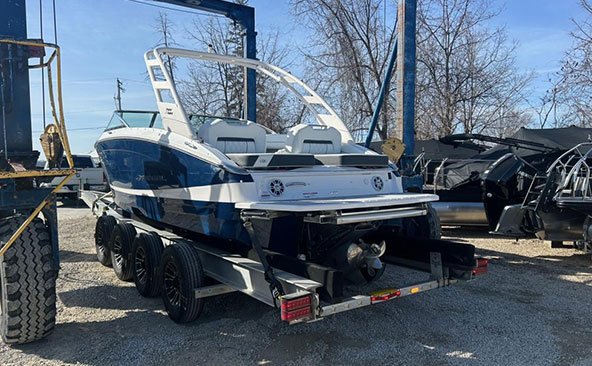
- High performance boats with low sitting hulls that must be centered and supported correctly so they do not shift at highway speeds. Drivers take extra time loading and securing these.
- Sailboats where masts must come down or be supported properly. Much of the prep work happens at the yard before the truck arrives, so these jobs take longer to schedule and coordinate.
- Yachts and cruisers that often move along the Atlantic coast between marinas in places like Wilmington, Morehead City, and the Outer Banks or from coastal towns to new owners inland.
- Superyachts that require custom trailers, detailed routing, and early planning. Every turn and clearance is checked carefully on these projects.
- Houseboats that are wide and heavy and do not move often. Escort vehicles are common, and each turn and road segment is planned in advance.
If you are unsure how your particular boat would be handled, we can walk you through the plan before you commit.
How Boats Are Transported on Land
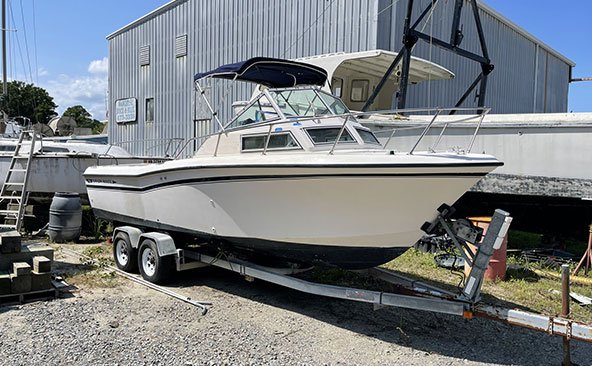
In North Carolina the most common way to move a boat is on a trailer. When the hull fits standard size limits and sits well on a bunk trailer, that trailer can support the boat evenly during travel.
Some boats need more than a standard setup:
- Specialized hulls may require custom bunks or cradles to distribute weight correctly.
- Different securement methods are used depending on weight and shape to avoid damage in transit.
- Hydraulic trailers help with larger boats that need more controlled loading and unloading.
- Wide load trailers are used when boats exceed legal width limits, and those moves often require oversize permits and escorts.
Permits and escorts are handled before the move begins so there are no surprises once the boat is loaded.
Towing a boat can work for short local runs with the right trailer and conditions, but it is not recommended for long distance or interstate moves.
North Carolina Boat Hauling Routes
The large marinas are on the coast, the buyers and sellers live everywhere from Asheville to Nags Head, and a handful of highways connect them all. Our drivers who haul boats know these roads, including which bridges a tall load can go under and which gas stations have room for a 50-foot trailer.
Distance is not the problem. A transport that looks like it is three hours on a map can be five when the permit route sends the truck around a low bridge.
Routes for Boat Transportation in North Carolina:
- Interstate 95: Snowbirds keep this one busy. Boats go south to Florida every fall and come back north in the spring, and most of them pass Fayetteville on the way.
- Interstate 40: Wilmington to the Tennessee line. Raleigh, Durham, and Greensboro people get their boats to salt water on this highway, and so do the lake boats coming down from the mountains around Asheville.
- US Highway 17: The coastal workhorse. Wilmington, Jacksonville, New Bern, Elizabeth City. Nearly every waterfront town in the eastern part of the state connects to this road.
- US Highway 70: Carteret County builds some of the best sportfishing boats, and every one of them leaves the factory on 70 through Morehead City and Beaufort.
- US Highway 64: Goes east to Manteo. Boats headed for Roanoke Island or the northern beaches cross the Croatan and Roanoke Sounds on this route.
- NC Highway 12: Two lanes, sand drifting across the pavement, ocean on one side. Hatteras and the villages south of Nags Head have no other road, so large loads share it with beach traffic.
- Interstates 77 and 85: Charlotte country. Lake Norman has many boats, and these two interstates are often used.
Request a Free North Carolina Boat Shipping Quote Today
Choosing a North Carolina boat mover takes far less effort with the right team. So, anyone requiring North Carolina boat transport near me needs a licensed, bonded, and insured company. With 24/7 boat pickup and delivery, scheduling is quick. Call (877) 330-0051 for a free North Carolina boat hauling quote, and trust We Will Transport It to safely move your boat.