What are the Permits for Boat Transport in Texas?
- Single-Trip Permit – Handles one move from the starting location to the destination and remains valid for up to 5 days.
- 30-Day Permit – Works well for haulers who move oversize loads often within a single month.
- 60-Day Permit – Gives companies two months of coverage for repeated overwidth or overlength moves.
- 90-Day Permit – Offers the longest short-term option for transport companies moving boats all season.
- Annual Permit – For haulers moving oversized loads all year, without having to apply for a new permit for every transport.
- Super Heavy Permit – Applies to massive loads, such as large yachts that exceed normal weight limits.
Regulations for Texas Boat Moves
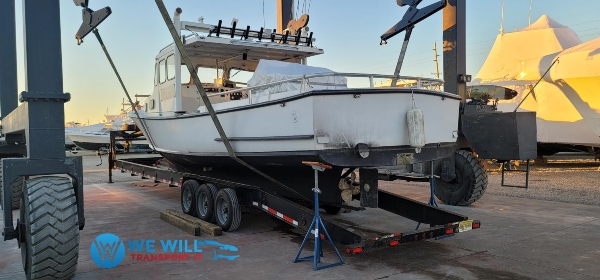
Permits come with conditions that the transporter must follow. Boats wider than 14 feet require an escort vehicle on two-lane roads, and very tall loads require a route check to ensure the path is clear for no issues to happen. Wide loads cannot move at night.
Every permit includes the exact route to use, dates, and dimensions. Drivers must follow those details or risk extra fees. As a trusted transport company, we take care of the paperwork, so boat owners can relax.
Essential Texas Boat Preparation for Overland Hauling
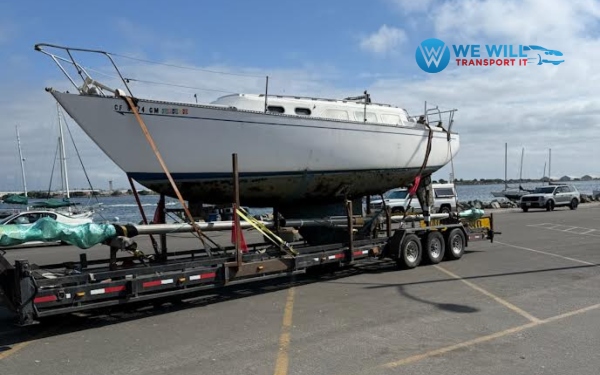
Boat preparation protects the vessel during over-the-road transport. Drain the water systems, disconnect batteries, remove canvas and electronics, and secure every hatch. Additionally, photograph the boat before the move begins to have a record in case there are any issues at delivery. Highway-speed winds expose decks, so loose items must be removed. When our drivers arrive, they will check to see if everything was completed correctly.
Texas Boat Transport Routes: A Guide to Major Highways
Boats move across Texas often, such as between the lakes, marinas, and repair shops. The state has more than 268,000 square miles, so haulers rely on a network of interstates and highways to reach coastal towns, inland lakes, and everywhere else. Knowing these routes helps with boat transportation across Texas.
What are the Major Boat Transport Routes in Texas:
- Interstate 35: Goes from Laredo through San Antonio, Austin, and Dallas-Fort Worth up to the Oklahoma border.
- Interstate 45: Connects Houston to Dallas, passing near Lake Conroe and Lake Ray Hubbard.
- Interstate 10: Goes from Houston through San Antonio to El Paso, connecting the Gulf Coast to West Texas
- Interstate 20: Crosses North Texas from Fort Worth to Midland-Odessa and then the New Mexico line.
- US Highway 59 / Interstate 69: Connects Houston to the northeastern part of the state near Lake Livingston.
- US Highway 281: Goes through hill country, connecting Lake Buchanan and Canyon Lake to San Antonio.
- US Highway 77: Going along the eastern side of the state from the Rio Grande Valley to Victoria and Corpus Christi.
- US Highway 90: Goes on a path from Del Rio through San Antonio and Houston toward the Louisiana border.
- Highway 35: Traces the Gulf Coast, connecting Corpus Christi, Rockport, and Galveston.
- US Highway 183: Connects Central Texas towns near Lake LBJ and Lake Travis to Austin.
Coastal marinas depend heavily on Highway 35 and I-10 for deliveries near the water. Fishing boats and sailboats often move along these routes when heading between Gulf Coast towns. Sailors near Corpus Christi sometimes transport boats north toward Galveston using the same route.
Inland lakes have their own requirements for boat transport. Canyon Lake, Lake Travis, and Lake LBJ are near Highway 281 and Highway 183, making these roads popular during boating season. Central Texas hauling increases every spring as families prepare their boats for summer weekends.
The weather can change route planning throughout the year. Summer heat can put strain on trailers and tires during a long haul on I-10 or I-20. Spring storms sometimes force drivers to reroute around flooded areas near the coast, adding more time to the transportation.
Boat size also affects which roads a hauler can use. Wide loads avoid narrow city streets and stick to interstate shipping with wider roads and high bridge clearances. Smaller boats can travel on state highways without a special permit required most of the time.
Texas has many routes for boat transport, each reaching a different part of the state. Understanding these major highways makes it easier to plan a safe and efficient move, no matter the size of the boat or the distance it needs to travel.
Arrange Boat Transport Texas Owners Trust
Licensed and insured Texas boat transport starts by calling (877) 330-0051. Texas boat hauling services with We Will Transport It cost less than most owners expect, and the confidence lasts long after delivery. From oversized yacht transport to weekend runabouts, our specialists handle it all.